💥UPSC 2026, 2027, 2028 UAP Mentorship (March Batch) + Access XFactor Notes & Microthemes PDF

Archives: News

  • Foreign Policy Watch: India-Pacific Island Nations

    Pacific Island Countries (PICs): India’s Development Diplomacy

    Pacific

    Central Idea

    • Indian Prime Minister Narendra Modi’s visit to Papua New Guinea (PNG) has strategic importance as it marks the Third Forum for India-Pacific Islands Cooperation (FIPIC), which India is co-hosting along with PNG in Port Moresby. India’s involvement with the region is crucial from a geostrategic perspective as it is viewed by the US as a means to counter China in the Indo-Pacific. In this context, India is gradually tuning itself towards the Pacific Island Countries (PICs) by building development partnerships on critical issues.

    Pacific

    Forum for India-Pacific Islands Cooperation (FIPIC)

    • The Forum for India-Pacific Islands Cooperation (FIPIC) is a multilateral grouping that aims to enhance India’s relations with the Pacific Islands region. It was launched in November 2014 during Indian Prime Minister Narendra Modi’s visit to Fiji.
    • The FIPIC includes 14 Pacific Island countries, namely Cook Islands, Fiji, Kiribati, Marshall Islands, Micronesia, Nauru, Niue, Palau, Papua New Guinea, Samoa, Solomon Islands, Tonga, Tuvalu, and Vanuatu.
    • The forum serves as a platform for India to engage with the Pacific Island countries on issues such as climate change, renewable energy, disaster management, health, and education, among others.
    • The forum also provides an opportunity for India to strengthen its strategic presence in the Indo-Pacific region and counter China’s growing influence in the region.

    Why should India focus on Pacific Island Countries (PICs)?

    • Strategic location: The PICs are strategically located in the South Pacific and inhabit almost one-sixth of the world’s population. These islands have occupied common spheres of influence and interest for major superpowers like the US, France, Japan, Australia, and the United Kingdom (UK).
    • Resource-rich region: The PICs are inherently resource-rich in natural minerals and hydrocarbons. They are known for massive biodiversity, diverse ocean life, and extensive mangroves.
    • Countering China: China’s foray into the region in the form of resource extraction, increasing naval presence in the South China Sea, and investments under the Belt and Road Initiative (BRI) has unnerved the neighbourhood. India’s engagement with the Pacific nations is viewed by the US as a means to counter China in the Indo-Pacific.
    • Diplomatic importance: India’s engagement with the PICs is significant for diplomatic reasons, as it can increase India’s influence in the Indo-Pacific region. India’s foreign policy considerations are progressively being structured around the notion of diplomacy for development. This India Way of foreign policy fits well for the larger Global South.
    • Development partnerships: India can build development partnerships with PICs on critical issues including climate resilience, digital health, renewable energy, and disaster risk reduction.
    • Economic opportunities: The PICs offer economic opportunities for India, especially in the areas of green transition and climate change, technology transfer, capacity building, encouraging trade and commerce, etc.

    Pacific

    Facts for prelims: PIC’s

    Region Countries Resources Strategic Importance Physical Location
    Melanesia Fiji, Papua New Guinea, Solomon Islands, Vanuatu Minerals, timber, fish, gold, copper, oil, gas Natural resources, biodiversity, proximity to shipping lanes 1°N to 14°S, 124°E to 168°E
    Micronesia Federated States of Micronesia, Kiribati, Marshall Islands, Nauru, Palau Fish, phosphate, coconut products Strategic military location, control of the Pacific Ocean, climate change impacts 1°N to 11°N, 130°E to 176°E
    Polynesia American Samoa, Cook Islands, French Polynesia, Niue, Samoa, Tonga, Tuvalu, Wallis and Futuna Fish, forestry, agriculture, tourism Tourism, cultural significance, strategic military location 14°S to 27°S, 123°W to 162°E

    What is Development Diplomacy?

    • Development diplomacy is a foreign policy approach that emphasizes cooperation and partnership on development issues with other countries as a means of achieving shared goals and promoting mutual interests.
    • The focus is on building relationships with other nations based on shared values and common objectives, rather than on traditional notions of power and influence.
    • Development diplomacy recognizes the interdependence of nations in an increasingly globalized world, and seeks to create win-win partnerships that benefit all parties involved.

    key initiatives taken by India under Development diplomacy in Papua New Guinea (PNG)

    • Line of Credit: India has offered a $100 million Line of Credit (LoC) to Papua New Guinea for infrastructure development.
    • Climate resilience: India has partnered with PNG for a project aimed at developing climate-resilient agriculture. Under this project, Indian experts are sharing their expertise on climate-resilient agriculture practices and technology transfer.
    • Healthcare: India has offered training for healthcare professionals in PNG, and has also provided medical equipment and supplies.
    • Education: India has offered scholarships to students from PNG to study in India, as well as providing vocational training for PNG youth.
    • Renewable energy: India has partnered with PNG to promote the use of renewable energy sources such as solar and wind power.
    • Capacity building: India has provided training for PNG government officials in areas such as public administration, governance, and disaster management.
    • Trade and commerce: India have sought to enhance trade and investment relations with PNG, including through the promotion of Indian businesses and the facilitation of PNG investment in India.

    Conclusion

    • India’s involvement with the Pacific Island Countries (PICs) is crucial from a geostrategic perspective, as it is viewed by the US as a means to counter China in the Indo-Pacific. India’s unique approach to development cooperation fits well for the larger Global South, and it can be a possible pathway for advancing Southern-driven partnerships in the PICs. With the G20 Presidency giving India leverage as an important economy in world politics, the FIPIC can be viewed as a suitable opportunity for New Delhi to realign itself in the emerging world order.

    Mains Question

    Q. What do you understand by mean Development diplomacy? Why India should increase its focus on pacific island countries?

    Get an IAS/IPS ranker as your personal mentor for UPSC 2024 | Schedule your FREE session and get the Prelims prep Toolkit!

    Also read:

    The Small Island Developing States (SIDS) in Indian Ocean region (IOR)


  • G20 : Economic Cooperation ahead

    Digitalizing Climate-Smart Agriculture: Framework for G20 Countries

    Agriculture

    Central Idea

    • Climate-smart agriculture (CSA) is a part of India’s and the G20 countries’ Sustainable Development Goals (SDGs) vision. It is a complex, mega-scale challenge. The objective of CSA is to optimise a country’s agriculture productivity, resilience, and emissions in response to climate change (long-term, irreversible changes in temperature, precipitation, humidity, pressure, and wind). The G20 can play a key role in addressing the challenge of climate-smart agriculture

    What is Climate-smart agriculture (CSA)?

    • Sustainable agricultural practice: Climate-smart agriculture (CSA) refers to the sustainable agricultural practices that help to increase food production and farmer incomes, improve resilience to climate change, and reduce greenhouse gas emissions.
    • CSA aims to achieve three goals simultaneously: (1) sustainably increasing agricultural productivity and incomes, (2) adapting and building resilience to climate change, and (3) reducing and/or removing greenhouse gas emissions, where possible.
    • It involves a combination of strategies, technologies, and policies that are tailored to the specific needs and conditions of each country’s agriculture sector.

    Challenges for Climate-smart agriculture (CSA)

    • Complex and multi-dimensional: CSA is a complex and multi-dimensional challenge that requires integrated solutions, which may be difficult to implement and require significant investments.
    • Lack of awareness and knowledge: Many farmers are not aware of the benefits of CSA and may not have the knowledge or skills to implement it effectively.
    • Access to finance: Financing for CSA practices may be limited, especially for smallholder farmers who may lack collateral or access to credit.
    • Policy and institutional constraints: Policies and institutions may not be aligned to support the adoption and scaling up of CSA practices.
    • Technical and technological challenges: CSA requires the use of appropriate technologies and practices, which may not be available or accessible in some regions.
    • Climate change impacts: The impacts of climate change, such as droughts, floods, and other extreme weather events, may negatively affect the productivity and resilience of agricultural systems, making it difficult to implement CSA practices.
    • Data and information gaps: There may be gaps in data and information on the impacts of CSA practices, making it difficult to assess their effectiveness and scale them up.

    G20’s role in addressing these challenges

    • The G20 must play a key role in addressing the challenge of CSA by adopting the ontological framework, method, and recommendations to set the agenda for research, policy, and practice.
    • The G20 must constitute a committee to formulate a systemic agenda for systematic research, policies, and practices for the digitalisation of CSA in a country using the ontology.
    • The Think20 Engagement Groups provide research and policy advice to the G20 and are ideal forums to develop the ontological framework as the G20 presidency rotates between the member countries each year.
    • The ontology of CSA must be adopted globally as a framework for all G20 countries by adapting the crop and region taxonomies to each country.
    • The G20 committee must help countries collaborate in their efforts, coordinate their policies, and communicate their learnings.
    • The G20 must set the trajectory for the digitalisation of CSA within the G20 and globally and must provide a ‘map’ for the global effort.

    Facts for prelims

    Initiatives

    Description

    National Innovations in Climate Resilient Agriculture (NICRA) A network project launched by the Indian Council of Agricultural Research (ICAR) in 2011 to enhance resilience of Indian agriculture to climate change
    Soil Health Card Scheme Launched in 2015 to provide farmers with information on the nutrient status of their soil and recommend appropriate soil health management practices
    Pradhan Mantri Fasal Bima Yojana Launched in 2016 to provide farmers with insurance coverage and financial support in the event of crop losses due to adverse weather conditions
    Paramparagat Krishi Vikas Yojana Launched in 2015 to promote organic farming practices in India and reduce the use of chemical fertilizers and pesticides
    National Mission for Sustainable Agriculture (NMSA) Launched in 2010 to promote sustainable agriculture practices in India and enhance agricultural productivity and income of farmers
    Rashtriya Krishi Vikas Yojana Launched in 2007 to support agricultural development in India through the provision of financial assistance for various agricultural activities
    National Agriculture Market (e-NAM) Launched in 2016 to create a unified national market for agricultural commodities in India through the use of technology and digital platforms
    Kisan Credit Card Scheme Launched in 1998 to provide farmers with access to affordable credit for agricultural and related activities
    Pradhan Mantri Krishi Sinchai Yojana Launched in 2015 to promote efficient use of water resources in agriculture and enhance water use efficiency in farming
    Zero Budget Natural Farming (ZBNF) A farming practice that aims to eliminate the use of synthetic inputs in agriculture and promote natural farming techniques

    Recommendations to the G20

    1. Outcome Management:
    • Productivity: Encourage the adoption of sustainable soil management practices, provide subsidies and financial incentives for efficient irrigation techniques, and invest in R&D of improved seed varieties.
    • Resilience: Promote crop diversification, develop a comprehensive risk management strategy, and support agroforestry practices.
    • Emissions Management: Develop and implement policies that promote reduced tillage practices, provide financial incentives and support for the adoption of renewable energy technologies, and develop and implement regulations and standards for sustainable livestock management practices.
    1. Regional Management: Utilise digitalisation tools and technologies to effectively differentiate CSA management across regions in India, gather real-time data and information on regional variations, deliver customised and region-specific extension services to farmers, optimise resource use, and facilitate stakeholder engagement and collaboration.
    2. Crop Management:
    • Differentiation of CSA management across crops: Identify the unique agro-ecological and socioeconomic conditions of each crop and design region-specific policies and programmes that promote CSA practices and technologies.
    • Integration of CSA management across crops: Promote the use of integrated crop management practices that focus on optimising resource use, reducing greenhouse gas emissions, and enhancing productivity across multiple crops.
    • Precision crop management: Adopt precision agriculture techniques that utilise real-time data and information to optimise resource use and increase productivity.
    1. Digital Semiotics Management:
    • Collect and analyse weather data: India has a vast network of weather stations across the country that collect data on temperature, precipitation, humidity, pressure, and wind fields. This data can be used to analyse weather patterns and identify trends that affect crop growth and yield. Machine learning algorithms can be used to process the data and provide real-time insights to farmers on weather forecasts, pest and disease outbreaks, and optimal planting and harvesting times.
    • Develop crop-specific models: India has a diverse range of crops grown across different regions, each with unique requirements for temperature, precipitation, and other climatic factors. Crop-specific models can be developed using data and information on climate
    • Promote precision agriculture: Precision agriculture involves the use of digital technologies such as sensors, drones, and satellite imaging to monitor crop health and growth, and provide real-time recommendations to farmers. By incorporating weather data and information into precision agriculture technologies, farmers can make data-driven decisions that are tailored to the local climatic conditions.
    • Build farmer capacity: To effectively use data and information on climate variability, farmers need to have the skills and knowledge to interpret and apply this information to their farming practices. Training programmes and extension services can be developed to build farmer capacity in using digital tools and interpreting weather data. These programmes can be designed to be accessible and affordable to all farmers, including smallholder farmers.

    Agriculture

    Conclusion

    • The digitalisation of CSA requires a roadmap. Addressing the challenge of CSA is a prerequisite to meeting the challenge of food security, and digitalisation is essential to this task. The G20 must set the trajectory for the digitalisation of CSA within the G20 and globally and must provide a map for the global effort to achieve the Sustainable Development Goals vision.

    Mains Question

    Q. What do you understand by mean Climate-smart agriculture (CSA)? Discuss the challenges for CSA and suggest a way ahead for G20 how it can address these challenges?

    Get an IAS/IPS ranker as your personal mentor for UPSC 2024 | Schedule your FREE session and get the Prelims prep Toolkit!

     Also read:

    Idea of Urban Agriculture and Use of Technology


  • Oil and Gas Sector – HELP, Open Acreage Policy, etc.

    Oil and Gas Price Volatility: India’s Farsighted Governance

    Oil and Gas

    Central Idea

    • The present government has taken several measures to protect Indian consumers from international oil and gas price volatility. The recent Cabinet decision to approve a series of critical Administered Price Mechanism (APM) gas pricing reforms will further advance this objective. These reforms aim to protect Indians from extreme price volatility, promote more innovation and investments in exploration and production (E&P), and provide clarity for planned capex investments in gas-based sectors.

    Reasons for oil and gas price volatility

    • Global supply and demand: The balance between global supply and demand for oil and gas is a key factor in price volatility. If there is a surplus of supply, prices may decrease, while if there is a shortage of supply, prices may increase.
    • Geopolitical tensions: Political tensions between countries, such as trade disputes or conflicts, can affect oil and gas prices. For example, if there is a threat of war or supply disruption in a major oil-producing country, prices may rise.
    • Weather conditions: Extreme weather events, such as hurricanes or cold snaps, can impact oil and gas production and distribution, leading to price fluctuations.
    • Economic growth: Economic growth can drive up demand for oil and gas, which can lead to higher prices. Conversely, economic slowdowns can reduce demand and lead to lower prices.
    • OPEC decisions: The Organization of the Petroleum Exporting Countries (OPEC) plays a significant role in global oil prices by controlling production levels. Decisions made by OPEC, such as production cuts or increases, can affect prices.

    Measures taken by the Indian government to protect consumers from oil and gas price volatility?

    • Increasing domestic Administered Price Mechanism (APM) gas allocation: This step was taken to provide more clarity for planned capital expenditure investments in gas-based sectors and diverting gas from non-priority sectors to transport and domestic segments.
    • APM gas pricing reforms: The recent Cabinet decision to approve a series of critical APM gas pricing reforms will further advance the objective of protecting Indian consumers from extreme price volatility. These reforms achieve two major goals: First, to protect Indians from extreme price volatility, and second, to promote more innovation and investments in exploration and production (E&P).
    • Benchmarking APM prices: The government decided to insulate domestic gas consumers as well as national oil companies from such volatility by benchmarking APM prices to a slope of 10 per cent of Indian crude basket price to be determined on a monthly basis, together with a ceiling of $6.5/MMBTU and floor of $4.5/MMBTU for nomination fields.
    • Reduction in fertiliser subsidies: After these reforms, the reduction in fertiliser subsidies is expected to be more than Rs 2,000 crore each year.
    • Incentivising investment in the E&P sector: These reforms will also help incentivise investment in the E&P sector by providing a floor price for mature fields of nomination while also incentivising new wells of nomination fields which will receive 20 per cent higher prices.
    • Expansion of gas pipeline network and CGD stations: Since 2014, India has increased the length of its gas pipeline network from 14,700 km to 22,000 km in 2023. The number of CGD-covered districts in India has increased from 66 in 2014 to 630 in 2023 while CNG stations have gone up from 938 in 2014 to 5,283 in 2023.

    Facts for prelims

    Type of Oil/Gas Production Process Applications Advantages Disadvantages Pollutants
    Crude Oil Extracted from oil wells through drilling Transportation, fuel for power generation, industrial uses High energy density, easy to transport Air pollution, carbon emissions, oil spills Carbon monoxide, nitrogen oxides, sulfur dioxide
    Natural Gas Extracted from gas wells through drilling or extracted alongside crude oil Power generation, heating, cooking, industrial uses Cleanest burning fossil fuel, high energy efficiency Methane emissions, can leak during production and transportation Carbon dioxide, nitrogen oxides
    Liquefied Petroleum Gas (LPG) Extracted during crude oil refining or extracted alongside natural gas Cooking, heating, transportation Clean burning, easy to store and transport Non-renewable, carbon emissions during production and transportation Carbon monoxide, nitrogen oxides
    Compressed Natural Gas (CNG) Extracted alongside crude oil or natural gas Transportation, cooking Lower emissions than petrol and diesel, cost-effective Requires specialized vehicles and refueling stations, less energy-dense than petrol and diesel Carbon monoxide, nitrogen oxides
    Shale Gas Extracted through hydraulic fracturing of shale rock formations Power generation, heating, cooking, industrial uses Abundant, reduces dependence on foreign oil, lower carbon emissions than coal Requires large amounts of water, potential for groundwater contamination, methane leaks Carbon dioxide, nitrogen oxides

    Way ahead for India’s oil and gas sector

    • Encourage and promote domestic oil and gas production: The government should continue to incentivize domestic oil and gas production to reduce dependence on imports and minimize price volatility. This could be achieved by introducing more investor-friendly policies, simplifying regulations, and exploring untapped reserves.
    • Develop a comprehensive energy policy: India needs to develop a comprehensive energy policy that outlines a clear vision for the sector’s development and growth. This policy should take into account environmental concerns, technological advancements, and future energy demands.
    • Increase investment in infrastructure: The government should invest in building critical infrastructure like pipelines, terminals, and storage facilities to improve supply chain efficiency and reduce transportation costs. This will also enable the country to tap into more remote oil and gas reserves.
    • Promote alternative sources of energy: Given the pressing need to reduce greenhouse gas emissions, India should promote alternative sources of energy such as solar, wind, and hydropower. This will not only help in meeting India’s climate goals but also reduce the dependence on fossil fuels.
    • Improve pricing transparency: India should work towards improving pricing transparency in the oil and gas sector. This will help to ensure a level playing field for all players, promote healthy competition, and enable consumers to make informed decisions.
    • Strengthen international partnerships: India should strengthen its partnerships with other countries, particularly those in the Gulf region, to ensure a stable supply of oil and gas. This will also help in diversifying sources of energy and reduce dependence on a few countries.
    • Foster innovation: The government should incentivize research and development in the oil and gas sector to encourage innovation and promote the use of advanced technologies. This could help in improving extraction techniques, reducing environmental impact, and optimizing resource utilization.

    Conclusion

    • India’s efforts to protect its consumers from international oil and gas price volatility are commendable. The recent APM gas pricing reforms will further advance this objective and promote more innovation and investments in exploration and production (E&P) and provide clarity for planned capex investments in gas-based sectors. With a growing demand for natural gas, India is well on its way to realizing a gas-based economy as part of its broader energy transition goals. The vision of a cleaner, greener, and more sustainable energy future for India is steadily becoming a reality.

    Mains question

    Q. Discuss the factors behind Oil and gas sector being volatile. What are the measures taken by the Indian government to protect consumers from oil and gas price volatility?

    Get an IAS/IPS ranker as your personal mentor for UPSC 2024 | Schedule your FREE session and get the Prelims prep Toolkit!

    Also read:

    What should India do in the current international energy market?
  • Death Penalty Abolition Debate

    Central Committee to find alternative for Death by Hanging

    Central Idea: The government informed the Supreme Court that it is considering the formation of a committee to examine the need for a painless and more dignified alternative to death by hanging.

    Background Information

    • Death by hanging is a mode of execution in India.
    • In March, the Supreme Court had asked the government to provide data on a more acceptable method of executing prisoners other than death by hanging.
    • A petition was filed challenging the constitutionality of death by hanging as a mode of execution.

    death

    Death Sentences imposed so far

    • 539 prisoners were on death row in India at the end of 2021, the highest since at least 2016.
    • In 2022, trial courts imposed 165 death sentences, the highest in over two decades.
    • Gujarat courts imposed 51 death sentences in 2022, the highest among all the States.
    • Uttar Pradesh and Jharkhand also recorded significant increases in death sentences imposed by trial courts in 2022.
    • From the 67 decided cases by the High Court’s involving 101 prisoners in 2022, three prisoners had their death sentences confirmed, 48 prisoners saw their death sentences commuted to life imprisonment, 43 were acquitted of all charges and six had their cases remitted to the trial court.
    • In the 11 cases decided by the Supreme Court involving 15 prisoners in 2022, 5 prisoners were acquitted of all charges; the death sentences for eight were commuted to life imprisonment; and the death penalty was confirmed for two.

    Death Penalty by Hanging: Present Status

    • Section 354 (5) of the Code of Criminal Procedure mandates that a person sentenced to death shall “be hanged by the neck till he is dead”.
    • In India, the Air Force Act, 1950, the Army Act 1950, and the Navy Act 1957 say that execution has to be carried out either by hanging by the neck until death or by being shot to death.
    • In 2018, the Centre had filed an affidavit supporting death by hanging as a mode of execution.
    • The Centre had not found the method of execution “barbaric, inhuman and cruel” compared to firing squads and lethal injections.

    Various initiatives to alter death by hanging

    • Ensuring dignified death: The government is considering the formation of a committee to examine the need for a painless and more dignified alternative to death by hanging.
    • Panel formation: The Chief Justice of India had suggested the formation of a committee with experts from national law universities, professors of law, doctors, and scientific persons.
    • Humane and painless method: The court indicated that it may even direct an alternative method of executing capital punishments if it was proved that there was a more “humane” method of execution.
    • Voices for psychological tests: The SC has asked for psychological evaluation of condemned prisoners by expert doctors, and access for them by mitigating investigators.

    Concerns raised by Judiciary

    • The Chief Justice had observed that better data was needed to relook at death by hanging.
    • The court wanted to know the-
    1. Impact of the sentence of death by hanging
    2. Pain caused
    3. Period of actual death, and
    4. Availability of resources for hanging a person

    Judiciary at loggerheads

    • The court clarified that it was not questioning the constitutionality of the death penalty, which was well-settled in Deena versus Union of India Case judgment and the Bachan Singh case reported in 1980.
    • The government argued that the mode of execution is a “matter of legislative policy” and the death penalty is awarded only in the rarest of rare cases, with only three executions between 2012 and 2015.

    Debate over Death Penalty

    Arguments in favor of death penalty Arguments against death penalty
    Forfeiture of life: Supporters of the death penalty believe that those who commit murder, because they have taken the life of another, have forfeited their own right to life. – Eye for an eye: Reformative justice is more productive, that innocent people are often killed in the search for retribution, and that “an eye for an eye makes the whole world blind.
    – Moral indignation of the victim: It is a just form of retribution, expressing and reinforcing the moral indignation not only of the victim’s relatives but of law-abiding citizens in general. – Deterrence is a myth: Death penalty is not a deterrent to capital crimes state that there is no evidence to support the claim that the penalty is a deterrent.
    – Highest form of Justice: For heinous crimes such as the Nirbhaya Gangrape Case, no other punishment could have deterred the will of the convicts. – Political tool of suppression: The authorities in some countries, for example Iran and Sudan, use the death penalty to punish political opponents.
    – Deterrent against crime: Capital punishment is often justified with the argument that by executing convicted murderers, we will deter would-be murderers from killing people. – Reverence for life’ principle: Death penalty is an immoral punishment since humans should not kill other humans, no matter the reasons, because killing is killing.
    – Proportional punishment: The guilty people deserve to be punished in proportion to the severity of their crime. – Stigma against killing: With the introduction of lethal injection as execution method, medical professionals participate in executions. Many professionals have now refused to administer such deaths.
    – Prevailing lawlessness: The crimes we are now witnessing cannot be addressed by simple punishments. We are seeing horrific attacks on women, young girls, minority communities and Dalits etc. – Skewed justice systems: In many cases recorded by Amnesty International, people were executed after being convicted in grossly unfair trials, on the basis of torture-tainted evidence and with inadequate legal representation.
    – Prevention of crime is non-existent: Despite of stringent regulations, it is certainly visible that some crimes can never be prevented in our society. – Discriminatory nature: The weight of the death penalty is disproportionally carried by those with less advantaged socio-economic backgrounds or belonging to a racial, ethnic or religious minority.


    Other issues with such executions

    (a) Socio-Economic Factors

    • The recent statistics shows that the death row prisoners in India are more from the backward classes of the society.
    • The death row prisoners belong to backward classes and religious minorities and the majority of convicts’ families are living in adjunct poverty.
    • These people who are backward both in economic and social respects, are not in a position to here expensive lawyers and get proper representation in the Court.

    (b) Delayed Execution

    • The law provides for a long process before the execution of the convicts actually takes place.
    • The unexplained delay in execution can be a ground for commutation of death penalty, and an inmate, his or her kin, or even a public-spirited citizen could file a writ petition seeking such commutation.
    • Their trials are often cruelly forced to endure long periods of uncertainty about their fate.

    Way forward: Law Commission recommendations on death penalty

    The Law Commission of India in its 262nd Report (August 2015) recommended that:

    • Death penalty be abolished for all crimes other than terrorism-related offences and waging war.
    • Measures such as police reforms, witness protection scheme and victim compensation scheme should be taken up expeditiously by the government.
    • It felt that time has come for India to move towards abolition of the death penalty. However the concern is often raised that abolition of death penalty for terrorism-related offences and waging war, will affect national security.


    Get an IAS/IPS ranker as your personal mentor for UPSC 2024 | Schedule your FREE session and get the Prelims prep Toolkit!

  • Foreign Policy Watch: India-China

    India-China Border Tensions: An Assessment of the Current Situation and Proactive Steps for India

    Border

    Central Idea

    • India needs to take proactive measures to address the ongoing border crisis with China in Ladakh, rather than relying on a status quo approach. The government’s silence and euphemistic language on the issue have given the impression of incompetence and inaction, leading to concerns over India’s capability to handle the situation

    Brief background on the Ladakh border issue

    • The border dispute dates back to the 1950s and 60s, when China made claims to the region and occupied large parts of it.
    • In 1962, the two countries fought a brief war over the issue, which ended in a Chinese victory and the establishment of a de facto border line known as the Line of Actual Control (LAC).
    • Since then, the two countries have had several standoffs and skirmishes in the region, with tensions escalating in recent years. T
    • he latest border standoff in Ladakh began in May 2020 and continues to remain unresolved.

    The Depsang crisis of 2013

    • Depsang Plains of Ladakh: The Depsang crisis of 2013 refers to a tense border standoff between India and China that took place in the Depsang Plains of Ladakh in April-May 2013.
    • Chinese troops set up a camp: The crisis began when Chinese troops set up a camp in the Depsang Plains, which is located about 19 km inside what India considers to be its territory.
    • Strategically important area: The area is strategically important as it overlooks the strategically important Darbuk-Shyok-Daulat Beg Oldie (DSDBO) road that India had built to improve its connectivity to the border areas.
    • Negotiations and agreement over the withdrawal: The situation was resolved after three weeks of negotiations, with the Chinese agreeing to withdraw their troops in exchange for a pledge from India to scale down its military presence in the area.
    • The crisis led to other standoffs: The crisis highlighted the long-standing boundary dispute between India and China, which has led to several other standoffs and skirmishes over the years.

    What is the current situation?

    • The current situation at the Ladakh border is that some areas have witnessed disengagement, while two areas, Depsang and Demchok, remain unresolved. Indian soldiers are not allowed to touch 26 of the 65 patrolling points in Ladakh.
    • Diplomatic meetings and talks between corps commanders have not elicited any progress since September last year. Regular meetings between Indian and Chinese Ministers, Foreign and Defence, have not yielded results either.
    • India needs to find a way to transfer the pressure back to China, as Beijing has never compromised unless it has been forced into an uncomfortable spot.

    Border

    Facts for prelims

    States

    Border with China

    Important Passes

    Jammu and Kashmir 1597 km Khardung La Pass, Chang La Pass, Marsimik La Pass, Saser La Pass
    Arunachal Pradesh


    1126 km


    Bum La Pass, Kibithu Pass, Tawang
    Uttarakhand 345 km Mana Pass, Lipulekh Pass, Niti Pass
    Sikkim 220 km Nathu La Pass, Jelep La Pass
    Himachal Pradesh 200 km Shipki La Pass, Kaurik Pass

    Way ahead: Steps to transfer the pressure back to China

    • Bold use of imagination: The political leadership needs to use its imagination boldly to find a way to impose its will upon China.
    • Be proactive: India needs to be proactive in dealing with China, as Beijing has never compromised unless it has been forced into an uncomfortable spot.
    • Tactful action on LAC: Tactical actions on the LAC need to be daring, and the military needs to be used as an instrument to pursue policy ends and try to impose its will upon the adversary.
    • Increase strategic thought: Strategic thought in Delhi needs to be bold and innovative to find a way to wrest the initiative from China.
    • Avoid fear of military escalation: India’s fear of military escalation is holding back progress in the Ladakh border issue, and the government needs to overcome this fear to take proactive steps.
    • Utilize diplomatic channels: India should leverage diplomatic channels and international forums to put pressure on China to resolve the border issue.
    • Strengthen domestic capabilities: India should focus on building domestic capabilities, including military and economic, to match up to China’s strengths and position itself better in negotiations.

    Border

    Conclusion

    • India needs to take proactive measures to address the ongoing border crisis with China in Ladakh. A status quo approach can no longer be the answer, and India will have to wrest the initiative from China. Failure to do so would be a national failure for India, and the government must show boldness and imagination to resolve the crisis.

    Mains Question

    Q. India is going through the tough phase over the issues of border with China. In this backdrop discuss what proactive measures that India needs to take considering the current developments situation of the border conflicts?

    Get an IAS/IPS ranker as your personal mentor for UPSC 2024 | Schedule your FREE session and get the Prelims prep Toolkit!

    Also read:

    India-China: Border Management Mechanism

  • Food Procurement and Distribution – PDS & NFSA, Shanta Kumar Committee, FCI restructuring, Buffer stock, etc.

    Leveraging PDS to Improve Nutrition Security

    PDS

    Central Idea

    • The Department of Food and Public Distribution (DoF&PD), in particular the Food Corporation of India (FCI), must have heaved a sigh of relief that the procurement of wheat so far has crossed 20 million tonnes (MT), a notch higher than last year. Three states Punjab, Haryana and Madhya Pradesh have contributed more than 98 per cent to the central pool.

    Wheat production estimates

    • The Ministry of Agriculture and Farmers’ Welfare (MoA&FW) had earlier estimated the wheat production for this year to be 112 MT. However, the impact of unseasonal rains on wheat production has made the revised estimate uncertain.
    • Punjab: Punjab, one of the largest contributors to wheat procurement, is also in the process of estimating losses due to rough weather just before the harvest time. Despite the unseasonal rains, interactions with Punjab Agriculture University (PAU), market functionaries and farmers suggest that the production of wheat this year is higher than last year.
    • Uttar Pradesh: Uttar Pradesh produces almost double the amount of wheat (about 35 MT) than Punjab (about 18 MT). UP is estimated to procure 3.5 MT of wheat, but so far it has procured a meagre 0.12 MT. Unless it brings a surprise in May and June, the overall wheat procurement may stop well short of even 30 MT.

    Facts for prelims

    The benefits of Mulching of paddy straw

    • Increases organic carbon in the soil: Mulching of paddy straw increases the organic carbon content of the soil. It helps in retaining moisture in the soil and improves soil health.
    • Helps in reducing weed growth: Mulching acts as a magic as it helps in reducing the weed growth, conserves soil moisture, and provides essential nutrients to the soil.
    • Increases crop productivity: It helps in improving the fertility of the soil and in turn increases the productivity of the crops.
    • Reduces soil erosion: Mulching of paddy straw protects the soil from wind and water erosion.
    • Decreases the use of fertilizers: It helps in reducing the use of fertilizers as the organic matter from the mulch provides essential nutrients to the soil.
    • Promotes sustainable agriculture: Mulching promotes sustainable agriculture practices as it is an eco-friendly and cost-effective way of managing agricultural waste.

    PDS

    Challenges for providing nutritious food through PDS

    • Infrastructure and supply chain: There is a lack of proper infrastructure and supply chain to transport and store nutritious food items such as millets, pulses, and oilseeds. This leads to spoilage, wastage, and ultimately affects the quality of food provided through PDS.
    • Cost: Providing nutritious food items through PDS may increase the cost of the program, which can be a challenge for the government to sustain in the long run.
    • Awareness and demand: There is a lack of awareness among the general public about the benefits of nutritious food items and the need to include them in their diet. Also, there may not be enough demand for these items, leading to poor offtake and wastage.
    • Operational challenges: There are several operational challenges such as sourcing, storage, and distribution of nutritious food items, which need to be addressed for an effective PDS program.
    • Political interference: There may be political interference in the selection of food items to be included in PDS, leading to a focus on populist measures rather than on nutritious food items. This can undermine the effectiveness of the program.

    agriculture

    Nutrition security through PDS and a help to climate resilient agriculture

    • Introducing more nutritious food: The introduction of more nutritious food, such as millets, pulses, and oilseeds, in PDS can help achieve the twin objectives of nutrition and climate resilience.
    • Encouraging climate-resilient food: Encouraging the production of climate-resilient food crops like millets, pulses, oilseeds, etc., can help create a steady flow of nutritious food.
    • Upgrading fair price shops to Nutritious Food Hubs: At least 10% of fair price shops can be upgraded and declared as Nutritious Food Hubs (NFHs). These NFHs can have fortified, including bio-fortified, rice and wheat, millets, pulses, oilseeds (especially soyabean products with 40% protein), fortified milk and edible oils, eggs, etc.
    • Electronic vouchers for targeted beneficiaries: Consumers of PDS list may be given electronic vouchers (like an e-food coupon in a food court) that can be charged by the government three or four times a year.
    • Government assistance for upgrading NFHs: The NFHs can be upgraded with government assistance, creating demand for more diversified and nutritious food from the masses.
    • Capping the procurement of rice: The procurement of rice would have to be capped, starting with districts where the water table has been depleting alarmingly.
    • For example, Sangrur in Punjab has witnessed a fall of groundwater level by more than 25 meters during 2000-2019. Farmers of such districts could be incentivized to grow millets, pulses, oilseeds, etc., that are climate smart, use much less water and fertilizers, thus saving power and fertilizer subsidies.
    • Giving a special package for carbon credits: The Centre and the states need to join hands to give a special package for carbon credits for growing such crops. Farmers can be rewarded about Rs 10,000/acre (to be shared equally by the Centre and the state), as these crops would save that much fertilizer subsidy of the Centre and power subsidy of the state.

    Conclusion

    • The Department of Food and Public Distribution’s Chintan Shivir on leveraging PDS to offer more nutritious food is a great vision, but there are several operational challenges to provide a steady flow of these foods. Upgrading at least 10% of the fair price shops as Nutritious Food Hubs could create a demand for more diversified and nutritious food from the masses. However, capping the procurement of rice and incentivizing farmers to grow millets, pulses, and oilseeds that are climate-smart and use less water and fertilizers is necessary.

    Mains Question

    Q. How PDS can be leveraged to provided nutritious food and also help make Indian agriculture more climate resilient? Discuss along with the challenges

    Get an IAS/IPS ranker as your personal mentor for UPSC 2024 | Schedule your FREE session and get the Prelims prep Toolkit!

    Also read:

    Food Security and Energy Crisis In The South Asian neighbourhood


  • Minority Issues – SC, ST, Dalits, OBC, Reservations, etc.

    US seeks sanctions on Indian agencies over Religious Freedom Violations

    religious india

    The Commission for International Religious Freedom (USCIRF) has urged to impose targeted sanctions on Indian government agencies and officials responsible for “severe violations” of religious freedom by freezing their assets.

    What is USCIRF Report?

    • The USCIRF report assesses the status of religious freedom around the world.
    • It provides a comprehensive analysis of the state of religious freedom in countries across the globe, highlighting issues of concern and making recommendations for action by the US government.
    • The report is an important tool for raising awareness of violations of religious freedom and advocating for greater protection of this fundamental human right.

    Allegations against India

    (1) Policies

    • It is alleged that the Indian government at the national, state, and local levels promoted and enforced religiously discriminatory policies, including:
    1. Laws targeting religious conversion
    2. Interfaith relationships
    3. Ban over wearing of hijabs and cow slaughter
    • This has negatively impact Muslims, Christians, Sikhs, Dalits, and Adivasis.

    (2) Laws of Suppression

    • The report also alleges that the national government continued to suppress critical voices, particularly of religious minorities and those advocating on their behalf through-
    1. Surveillance / Harassment / Cow Vigilantism
    2. Accusation of Sedition
    3. Demolition of Property
    4. Detention under the Unlawful Activities Prevention Act (UAPA)
    5. Targeted banning of NGOs ex. Missionaries of Charity under the Foreign Contribution Regulation Act (FCRA)
    6. Constitution

    India’s response

    • India has slammed USCIRF for “misrepresenting” facts and described it as an “organisation of particular concern”.
    • The Indian government rejected the biased and inaccurate comments.
    • Foundation of Indian and Indian Diaspora Studies (FIIDS) slammed USCIRF for its biased report and failure to acknowledge the cultural and economic significance of cows to Indians.

    Why such reports often falsely target India?

    • Lack of objectivity: There have been instances in the past where these reports have been criticized for being one-sided and lacking objectivity.
    • US lobby against everyone: It is important to note that reports like USCIRF’s are based on the organization’s own assessments.
    • Inherent bias against India: Such allegations are prevalent ever since India attained its Freedom.
    • Self-proclaimed father of democracy: US has infamous for selectively promoting democracy and human rights, and for supporting authoritarian regimes that align with its strategic interests.
    • Anti-regime: Such reports often overlook the efforts made by the present regime in India towards promoting religious tolerance and communal harmony.

    Way forward

    • Urgent action: India needs to take prompt and necessary steps to address religious freedom issues and take everyone’s faith in the government and democratic process.
    • Nuanced understanding: International organizations and foreign governments must make a conscious effort to understand the complexities of India’s social, political, and economic landscape before making any recommendations or issuing reports.
    • Avoid sweeping generalizations: It is important to avoid sweeping generalizations and presenting a one-sided view of the situation, which can be detrimental to India’s reputation and lead to misunderstandings.
    • Self-reflection by the US: The US must address its own issues related to religious freedom and human rights violations, and not just sermon other countries.

    Conclusion

    • India’s historical diversity and pluralism: India has a long history of diversity, pluralism, and peaceful coexistence among different communities.
    • Constitutional guarantees: The Constitution guarantees fundamental rights to all citizens, regardless of their religion, caste, or creed.
    • Media as a strong pillar: The country has a vibrant democracy and a free and independent media that regularly scrutinizes the government and its policies. This eliminates the scope for anyone’s oppression.
    • Nation-building: All communities have contributed significantly to the country’s cultural and social fabric. Success of India is often unwelcomed by the US. People should not fall prey to foreign propaganda.


    Get an IAS/IPS ranker as your personal mentor for UPSC 2024 | Schedule your FREE session and get the Prelims prep Toolkit!

  • Innovation Ecosystem in India

    National Manufacturing Innovation Survey (NMIS), 2021-22

    Central Idea: The Department of Science and Technology under the Ministry of Science & Technology has released the National Manufacturing Innovation Survey (NMIS) 2021-22.

    About National Manufacturing Innovation Survey

    Details
    Undertaken by DST and United Nations Industrial Development Organization (UNIDO)
    History First National Innovation Survey in 2011
    Focus Manufacturing competitiveness
    Purpose Innovation performance of Indian manufacturing firms
    Insights Enabling activities and identifying barriers to innovation
    Processes Examines innovation processes, outcomes, and barriers faced by firms
    State/Sector Evaluates performance of states and sectors in producing new products, services, and business processes
    Key manufacturing sectors 5 sectors: textiles; food & beverage; automotive; pharma; ICT.


    Components of the survey

    (1) Firm-level survey

    innovation

    • It captured data related to types of innovations and innovative measures taken by firms.
    • Includes: the process of innovation, access to finance, resources, and information for innovation, besides also recording the factors impacting the innovation activities in a firm.
    • One in four firms have successfully implemented an innovation in the observation period.
    • Over 80% of these firms benefitted significantly in expanding markets and production and reducing costs.

    (2) Sectorial System of Innovation survey

    innovation

    • It mapped the manufacturing innovation system and its role in achieving innovations in firms.
    • It measures the interactions between stakeholders of the innovation ecosystem, barriers to innovation, and the convergence or divergence of policy instruments in select 5 key manufacturing sectors important to the Indian economy.

    Key highlights

    • Karnataka is the most “innovative” State, followed by Dadra and Nagar Haveli, Daman and Diu (DNH&DD), Telangana, and Tamil Nadu.
    • Telangana, Karnataka, and Tamil Nadu had the highest share of innovative firms at 46.18% ,39.10% and 31.90%, respectively.
    • Odisha, Bihar, and Jharkhand reported the lowest share of such firms at 12.78%, 13.47% and 13.71%, respectively.
    • Nearly three-fourths of the 8,000-odd firms surveyed, most of them micro, small, and medium enterprises (MSME), neither made any innovative product nor process innovation.
    • However, nearly 80% of the firms that did report significant gains such as expanding markets and reducing production costs.

    Barriers identified

    • The most frequent “barriers to innovation” were the lack of internal funds, high innovation costs, and lack of financing from external sources.
    • Gujarat and DNH&DD reported the highest frequencies of barriers to innovation, despite being among India’s most industrialised States.

    Significance of the survey

    • It will help in the Make-in-India programme, specifically the Production Linked Incentive (PLI) schemes.
    • It will help to boost manufacturing in a variety of sectors, including electronics, pharmaceuticals, and automobiles.


    Get an IAS/IPS ranker as your personal mentor for UPSC 2024 | Schedule your FREE session and get the Prelims prep Toolkit!

  • Indian Navy Updates

    Golden Globe Race: Voyage of mad men

    golden globe

    Central Idea

    • Abhilash Tomy, a former Commander in the Indian Navy, has achieved the remarkable feat of completing a solo circumnavigation worldwide by finishing second at the Golden Globe Race (GGR), 2022.
    • He achieved this record under even more challenging circumstances than his previous record-breaking feat of going worldwide on a sailboat solo and unassisted back in 2013.

    golden globe

    What is Golden Globe Race?

    • The Golden Globe Race is a non-stop, solo, unassisted yacht race around the world which was held for the first time in 1968-69.
    • The race requires contestants to use boats designed to prescribed premodern specifications and rely entirely on sextants and paper charts.
    • Satellite phones are available for extremely restricted use, and the use of modern navigational gear is not allowed.
    • The sailing would be along a stipulated route, rounding the three great capes (Cape of Good Hope in South Africa, Cape Leeuwin in Western Australia, and Cape Horn in Chile).

    His return to GGR

    • After several injuries, in 2021, Tomy began to look for sponsors and boats to participate in GGR-2022.
    • He announced his participation in the race on the Bayanat in March 2022, sponsored by a UAE-based company in the field of geospatial artificial intelligence.
    • However, just three weeks before the race, the boat collided with a ship and required massive repairs.

    Significance of his achievement

    • Only three of the 11 contestants of GGR-2022 lasted the course of the race, with Kirsten Neuschafer becoming the first woman to win a solo around-the-world yacht race.
    • Tomy’s boat was the most ‘repaired’ boat in the race and it was all carried out by the sailor fighting unimaginable sea conditions and lack of sleep.
    • In the end, Tomy became the first Asian to complete the 30,000-mile GGR by finishing second after Neuschafer.


    Get an IAS/IPS ranker as your personal mentor for UPSC 2024 | Schedule your FREE session and get the Prelims prep Toolkit!

  • Mother and Child Health – Immunization Program, BPBB, PMJSY, PMMSY, etc.

    A Troubling Statistic in India’s Nutritional Landscape

    nutrition

    Central Idea

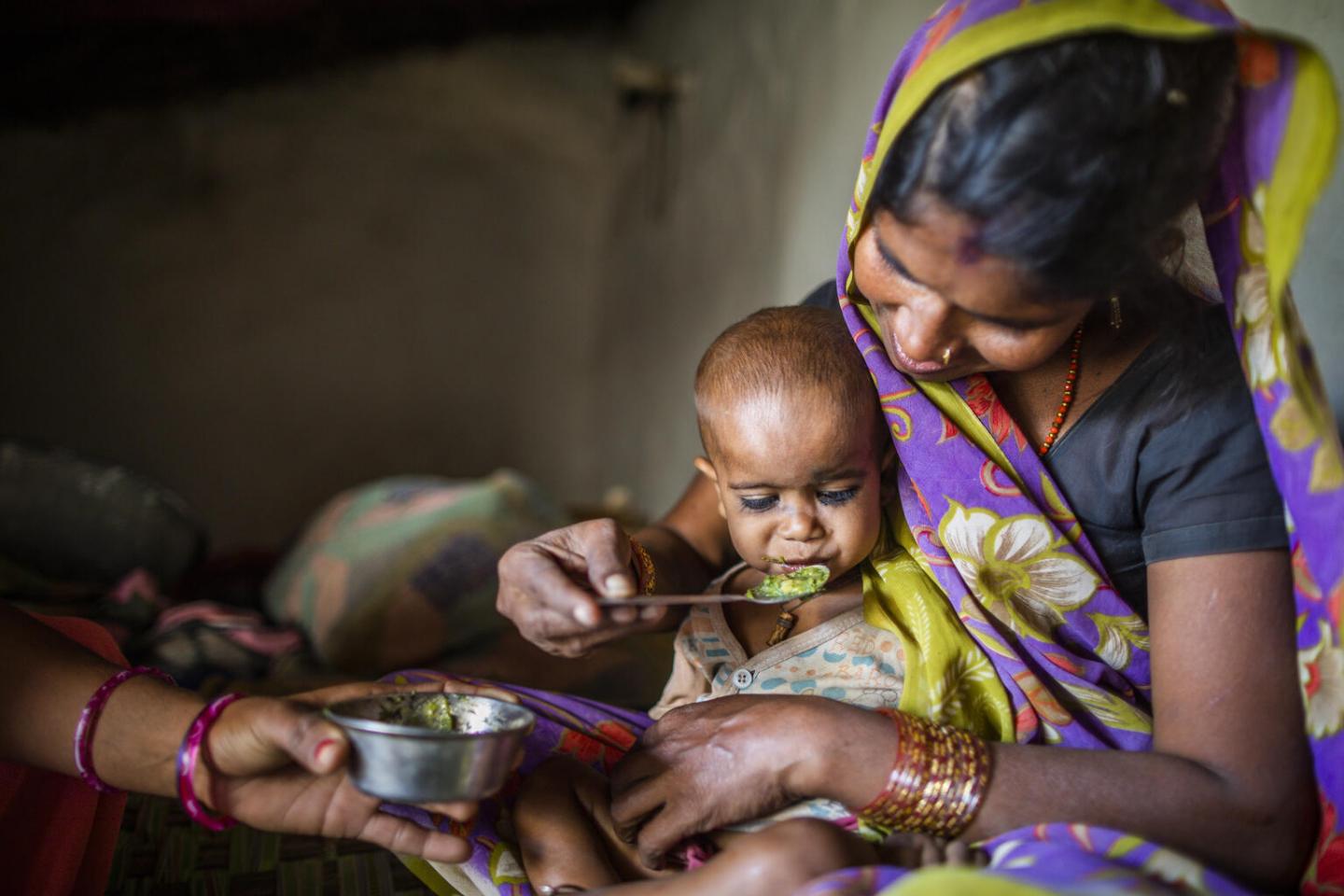
    • A troubling statistic in the fifth National Family Health Survey (NFHS-5) data, conducted in 2019-21, is not well-known. Going without food for an entire day at this critical period of a child’s development raises serious concerns related to severe food insecurity.

    Statistics from the NFHS-5 data

    • Zero-food: Among mothers with a child between ages 6-23 months, 18% reported that their child did not eat any food whatsoever (“zero-food”) in the 24 hours preceding the survey. The zero-food prevalence was 30% for infants aged 6-11 months, 13% among 12-17 months old, and 8% among 18-23 months old.
    • Zero-protein: More than 80% of children in the age group of 6-23 months had not consumed any protein-rich foods for an entire day (“zero-protein”). Close to 40% of children in the age group of 6-23 months did not eat any grains (roti, rice, etc.) for an entire day.
    • Zero-milk: Six out of 10 children in the age group of 6-23 months do not consume milk or dairy of any form every day (“zero-milk”).

    The current measures for undernutrition

    • Stunting: It is a measure of chronic malnutrition, where children are too short for their age. It is determined by comparing a child’s height with the World Health Organization (WHO) child growth standards.
    • Wasting: It is a measure of acute malnutrition, where children have a low weight for their height. It is determined by comparing a child’s weight with the WHO child growth standards.
    • Underweight: It is a measure of both chronic and acute malnutrition, where children have a low weight for their age. It is determined by comparing a child’s weight with the WHO child growth standards.

    Limitations of current measures of undernutrition

    • Anthropometric measures: The assessment of the extent of nutritional deprivation among young children in India has relied on measures of anthropometric failure such as the percentage of children short for their age (stunting) or weighing less given their height (wasting), compared to a reference population. These measures are, at best, proxies suggesting plausible overall deficiencies in the child’s environment, without any guidance on the specific nature of the deficiencies. They do not provide insight into the specific food groups that are lacking in the child’s diet.
    • Multifactorial nature: Given the multifactorial nature of what causes stunting or wasting among children, it is challenging for any single ministry or department of the Government of India to take responsibility for designing, implementing and monitoring policies to reduce undernutrition among children.
    • Sensitivity: The sensitivity of the stunting prevalence to what population reference is being used makes it problematic as a policy metric for creating and evaluating the effectiveness of current programs and interventions.
    • Lack of data: The fact that we do not know what India eats highlights a core deficiency in data related to food and dietary consumption. This limits the ability to design effective policies and programs to improve nutritional security among Indians.

    Facts for prelims

    Initiative

    Description

    NFHS-5 Conducted in 2019-21, it revealed that 18% of mothers with a child between ages 6-23 months reported zero-food intake.
    Mission Poshan 2.0 A flagship programme aimed at achieving SDG 2 “zero hunger” and focuses on food-based initiatives.
    Swachh Bharat Mission (SBM) Increased access to improved toilets among Indian households from 48% to 70% between 2016 and 2021.
    Zero Food Metric A food-based metric that provides a good start to monitor and assess the performance of Poshan 2.0.
    White House initiative on hunger, nutrition and health Launched by the US to end hunger by 2030.

    Calorie intake recommendations by WHO

    • According to the World Health Organisation, at six months of age, 33 per cent of the daily calorie intake is expected to come from food. This proportion increases to 61 per cent at 12 months of age.
    • The recommended calorie percentages mentioned here are the minimum amount that should come from food.
    • It is presumed that the child obtains the remaining calories through on-demand breastfeeding, meaning the child is breastfed whenever they need it throughout the day and night, and not solely when the mother is able to provide it.
    • Consequently, the percentage of food-sourced calories only increases further when a child cannot receive breast milk when needed.

    What is the need for Poshan 2.0?

    • Achieving SDG 2: Poshan 2.0 is a flagship program that aims to achieve SDG 2, which aims to end hunger and ensure year-round access to safe, nutritious, and sufficient food by 2030.
    • Targeting maternal and child nutrition: Poshan 2.0 focuses on food-based initiatives, including its flagship supplementary nutrition program service as mandated by the 2013 National Food Security Act, to target maternal and child nutrition.
    • Developing food-based metrics: To effectively monitor and assess the performance of Poshan 2.0, there is an immediate need to develop appropriate food-based metrics to measure the extent of food insecurity among Indian households.
    • Improving nutritional security: The goal of Poshan 2.0 is to ensure affordable access to sufficient quantity and quality of nutritionally diverse food, with a special and immediate focus on India’s youngest children to improve nutritional security among Indians.
    • Establishing routine dietary and nutritional assessments: A national effort to establish routine dietary and nutritional assessments for the entire population is the need of the hour to measure the availability, accessibility, and affordability of nutritious food, especially for disadvantaged and vulnerable populations such as young children, and constitute the foundation for any evidence-based policy to end hunger and improve nutritional security among Indians.

    Way ahead

    • Elevating food intake among young children to be of primary importance, as opposed to being referred to as “complementary” in policies and guidelines related to maternal, infant and young child nutrition.
    • Extending the 24-hour recall questions on consumption of various food items to the population of children under five years to better understand food security for all populations in India.
    • Developing appropriate food-based metrics to effectively monitor and assess the performance of Mission Poshan 2.0.
    • Establishing routine dietary and nutritional assessments for the entire population to measure the availability, accessibility and affordability of nutritious food, especially for disadvantaged and vulnerable populations such as young children.
    • Consider a strategic initiative led by the Prime Minister’s Office aimed at eliminating food insecurity in India and ensuring affordable access to sufficient quantity and quality of nutritionally diverse food, with a special and immediate focus on India’s youngest children.

    Conclusion

    • Given the urgency of the situation and the critical need for prompt action to address the issue of hunger and malnutrition among Indians, it is recommended that India takes inspiration from the United States. Recently, the US launched a high-level initiative aimed at ending hunger by 2030, which could offer valuable insights and guidance to India’s efforts in this direction.

    Mains Question

    Q. Statistic in the fifth National Family Health Survey (NFHS-5) data on hunger and malnutrition is troubling. In this backdrop discuss the need for Poshan 2.0 for India.

    Get an IAS/IPS ranker as your personal mentor for UPSC 2024 | Schedule your FREE session and get the Prelims prep Toolkit!

    Also Read:

    A reality check on Nutrition programs


Join the Community

Join us across Social Media platforms.