💥UPSC 2026, 2027, 2028 UAP Mentorship (March Batch) + Access XFactor Notes & Microthemes PDF

Archives: News

  • Foreign Policy Watch: India-Russia

    Why is there no peace in Ukraine

    Introduction

    Since Russia’s full-scale invasion in February 2022, several attempts at negotiations, from Belarus to Turkey, have collapsed. With Russia consolidating control over Ukrainian territories and Ukraine facing military constraints, the conflict shows signs of becoming a prolonged war. The Trump plan, recent Russian advances, and fatigue in Western capitals have complicated the strategic landscape, placing Ukraine at a turning point.

    Why in the news

    The Ukraine-Russia war has again entered headlines as Russia captured Pokrovske, marking the first major territorial gain after a year of stalled frontlines. Simultaneously, a 28-point U.S. peace proposal surfaced, offering recognition of Russian control over key territories. Ukraine is facing troop shortages, battlefield pressure, and delays in Western aid, making negotiations both urgent and politically difficult. Recent territorial losses, a disputed peace plan, and growing pressure on President Zelensky have reopened global debate on whether a ceasefire is achievable.

    Battlefield Dynamics and Stalled Negotiations

    1. Russian Consolidation: Russia captured Pokrovske after holding back Ukrainian forces for nearly a year; repositioned units in Kharkiv and Kherson and intensified attacks on Avdiivka and Kupiansk.
    2. Ukrainian Strain: Ukraine faces troop shortages, heavy attrition, and reduced Western ammunition deliveries; unable to meet battlefield demands.
    3. Failed Negotiations History: Talks in Belarus (Feb 28, 2022), Turkey (March 2022), and subsequent engagements collapsed due to disagreements over territory, NATO membership, and security guarantees.
    4. Renewed Russian Push: Russia resumed rotated forces, strengthened defensive lines, and maintained pressure across the east and south.

    Why Have Earlier Peace Efforts Failed?

    1. Maximalist Positions:
      1. Ukraine demanded withdrawal to 1991 borders and refusal of territorial concessions.
      2. Russia insisted on recognition of annexed territories and long-term security guarantees.
    2. NATO Membership Dispute: Ukraine’s insistence on future NATO membership remained unacceptable to Russia.
    3. Shifting War Outcomes: Early battlefield gains for Ukraine pushed negotiations aside; later Russian consolidation hardened Moscow’s stance.
    4. Domestic Political Costs: Zelensky faced internal political risk if he conceded territory or NATO flexibility.
    5. Western Signalling: Changes in Western messaging during 2022, especially from UK PM Boris Johnson’s Kyiv visit, reinforced Ukraine’s resolve to fight rather than negotiate.

    What Does the New Trump Peace Plan Propose?

    1. Territorial Recognition: Recognizes Russian control of current occupied territories (Crimea, Luhansk, Donetsk, Zaporizhzhia, Kherson).
    2. Ceasefire Framework: Calls for an initial ceasefire based on “current positions”.
    3. Security Guarantees: Ukraine would receive “reliable security guarantees”, though details remain unspecified.
    4. NATO Question: Prohibits Ukraine from joining NATO but proposes alternative security arrangements.
    5. Referendum Clause: Suggests that Ukraine may hold referendums under international supervision in disputed areas.
    6. Western Package: Encourages Washington to commit additional security assurances if Ukraine accepts concessions.
    7. Controversy: Critics argue it endorses annexation and weakens Ukrainian sovereignty.

    How Is Ukraine Responding to the Proposal?

      1. Zelensky’s Dilemma:
    • Fear of Loss of U.S. Support if he rejects the plan outright.
    • Domestic Resistance to territorial concessions or NATO withdrawal.
    1. Political Stakes: Any acceptance of the Trump plan risks severe political backlash within Ukraine and among its security elite.
    2. Military Reality Check: With Russia advancing and Western aid reduced, Ukraine risks losing more territory if negotiations are delayed.
    3. Unclear U.S. Position: The White House has neither endorsed nor dismissed the plan; Washington sends mixed signals.

    What Is Russia’s Current Strategy?

    1. Gradual Territorial Expansion: Small but steady advances across Donetsk and Kharkiv fronts.
    2. Exhaustion Approach: Prolonging the war to drain Ukrainian manpower and Western support.
    3. Diplomatic Pressure: Leveraging the Trump plan to portray Ukraine as unwilling to negotiate.
    4. Military Reconfiguration: Rotations, reorganized brigades, and fortified defensive lines to prepare for prolonged combat.

    Conclusion

    The Ukraine war remains locked between military stalemate and political impossibility. With Russia consolidating gains and Western support fluctuating, the window for meaningful negotiations narrows. The Trump plan introduces a new, but highly contentious, framework. For now, peace remains elusive due to incompatible security demands, shifting battlefield realities, and the political constraints of both Kyiv and Moscow.

    PYQ Relevance

    [UPSC 2023] The expansion and strengthening of NATO and a stronger US-Europe strategic partnership works well for India. What is your opinion about this statement? Give reasons and examples to support your answer.

    Linkage: This PYQ aligns with the article’s focus on NATO’s revived strength and US-Europe unity shaped by the Ukraine war. It directly links to how these shifts hardened positions, prolonged conflict, and reshaped global security dynamics.

  • Innovations in Sciences, IT, Computers, Robotics and Nanotechnology

    Understanding concerns around Sanchar Saathi

    Introduction

    The Department of Telecommunications (DoT) has instructed smartphone manufacturers and importers to pre-install the Sanchar Saathi application on all new mobile devices. The app is designed to combat digital fraud, trace stolen devices, and prevent misuse of SIMs. But its mandatory installation has raised widespread concerns about privacy, surveillance, user consent, and constitutional rights. The government later clarified that the app is “optional,” but the directive mandating its pre-installation has created ambiguity.

    Why in the news

    Sanchar Saathi’s mandatory pre-installation order marks a major shift because devices in India have never required a state-controlled app by default. This reversal from voluntary to mandatory installation has generated concerns about surveillance risks, access to sensitive data, and violation of user consent. The scale is significant as India is the world’s second-largest smartphone market; even small changes affect millions. Legal experts view it as a possible infringement of the fundamental right to privacy.

    What the Government’s App Actually Does

    1. Blocking & Tracking: Allows blocking or locating lost/stolen phones anywhere in India using IMEI-based tracing.
    2. User Option to Block IMEI: Enables users to prevent stolen devices from being activated.
    3. Support to Law Enforcement: Assists police in identifying counterfeit devices and preventing black-market circulation.
    4. Fraud Prevention: Helps report fraudulent calls, messages, and online scams via unified channels.

    Why Has Sanchar Saathi Triggered Concerns?

    1. Ambiguity Around Consent
      1. Unclear Mandate: Pre-installation directive contradicts the Minister’s statement that the app is optional.
      2. User Autonomy: Mandatory installation affects user ability to choose, delete, or disable the app freely.
    2. Expanded State Power
      1. Exceptional Move: First time the government mandated a wide-scale state app on all devices.
      2. Precedent Risks: May normalise future mandates for state surveillance tools.
    3. Privacy Risks
      1. Data Access: App uses Android’s Mobile Security Framework enabling access to call logs, camera, SMS, and unique device identifiers.
      2. Opaque Permissions: Apple devices require permissions for photos, files, and camera.
      3. Potential Misuse: Centralised data collection may heighten misuse & monitoring risks.

    What Data Does Sanchar Saathi Collect?

    1. IMEI Data: Unique identifier used to block stolen devices.
    2. Call Logs & SMS Data: Access allowed when reporting fraud or using suspicious call detection features.
    3. Camera Access: Needed for uploading barcodes of mobile equipment (IMEI verification).
    4. Personal Information: Includes phone numbers, Aadhaar-linked data, and registration details.
    5. Problem: The app’s privacy policy bans sharing identifiable information except when required by law, but the phrase “required by law” remains broad and open-ended.

    Constitutional & Legal Concerns

    1. Lack of Consent: Forced Pre-installation undermines voluntary, informed consent, a core component upheld under the Puttaswamy judgment (2017).
    2. Three-fold Privacy Test: Experts argue mandatory pre-installation fails:
      1. Legality: No explicit statutory backing for a nationwide mandate.
      2. Necessity: No demonstrated need requiring compulsory installation.
      3. Proportionality: Data access far exceeds the minimum required for fraud detection.
    3. Surveillance & “Function Creep”
      1. Risk of Expansion: Potential to expand into unrelated data surveillance functions.
      2. No Independent Oversight: Absence of clear audit mechanisms, grievance redressal, or limits on retention periods.

    Way Forward 

    1. Clarity of the mandate: Issue a clear written policy stating the app’s status to remove confusion.
    2. Addressing Privacy Risks: Limit data permissions to essential functions and publish regular audit reports.
    3. Ensuring Consent & User Autonomy: Provide a visible and fully functional uninstall or disable option.
    4. Preventing Surveillance Overreach: Create independent oversight to monitor misuse and restrict function creep.
    5. Building Trust Through Transparency: Disclose data flows, retention rules, and access logs in the public domain.

    Conclusion

    Sanchar Saathi addresses real concerns of digital fraud and misuse of mobile devices. However, its mandatory pre-installation, broad data permissions, unclear safeguards, and inconsistent communication have created concerns about state overreach and privacy violations. The app’s utility must be balanced with constitutional guarantees, transparent policy design, and robust data protection mechanisms.

    PYQ Relevance

    [UPSC 2024] Right to privacy is intrinsic to life and personal liberty and is inherently protected under Article 21 of the constitution. Explain. In this reference, discuss the law relating to D.N.A. testing of a child in the womb to establish its paternity.

    Linkage: This PYQ links directly to debates on privacy, consent, and proportionality governing state access to sensitive personal data. It shows how intrusion into bodily or digital autonomy must meet strict constitutional tests.

  • Tribes in News

    Hornbill Festival 2025

    Why in the news?

    The 26th edition of Nagaland’s iconic Hornbill Festival has begun with great enthusiasm, reaffirming its status as one of India’s most vibrant cultural events. The festival has grown into a major platform for showcasing the cultural diversity of Nagaland’s tribes and promoting tourism in the Northeast.

    What is the Hornbill Festival?  

    • First organised: 2000
    • Also called: “Festival of Festivals”
    • Purpose:
      • Promote inter-tribal interaction
      • Preserve indigenous Naga heritage
      • Blend traditional and contemporary art forms
    • Organised by:
      • Department of Tourism, Government of Nagaland
      • Department of Art & Culture, Government of Nagaland
    • Venue: Naga Heritage Village, Kisama, ~12 km from Kohima, Nagaland
    • Named after: The Hornbill bird, which is deeply associated with the socio-cultural identity of the Nagas
    Consider the following pairs: Tradition State (2018)

    1. Chapchar Kut festival — Mizoram 

    2. Khongjom Parba ballad — Manipur 

    3. Thang-Ta dance — Sikkim 

    Which of the pairs given above is/are correct? 

    (a) 1 only 

    (b) 1 and 2 

    (c) 3 only 

    (d) 2 and 3

  • Masala Bonds

    ED Notice to Kerala CM: KIIFB Masala Bonds Case 

    Why in the news?

    The Enforcement Directorate’s (ED) notice to Kerala Chief Minister Pinarayi Vijayan and senior officials in the KIIFB masala bond case has revived debates on FEMA compliance, off-budget borrowings, and Centre–State fiscal relations. As local body polls approach, the issue has also acquired political significance.

    What is KIIFB?  

    Kerala Infrastructure Investment Fund Board (KIIFB)

    • Statutory body established under KIIF Act, 1999
    • Revived in 2016 as Kerala’s key infrastructure financing arm
    • Raises funds outside the State budget, mainly through long-term borrowing
    • Functions as an off-budget financing mechanism

    What is Off-Budget Borrowing?

    • Debt raised by state entities (SPVs, boards) instead of the government directly
    • Not reflected in the official fiscal deficit
    • CAG has criticised such borrowings for reducing transparency

    What Are Masala Bonds?  

    Masala Bonds =

    • Rupee-denominated bonds issued in overseas markets
    • Borrowing risk is borne by the investor, not the issuer
    • Governed by RBI’s External Commercial Borrowing (ECB) Framework

    KIIFB Masala Bond:

    • Issued in 2019 on the London Stock Exchange
    • Total amount: ₹2,150 crore
    • First sub-national entity in India to issue such a bond

    Why Did ED Issue Notices?

    ED’s probe relates to alleged violations under:FEMA, 1999 – Foreign Exchange Management Act

    ED claims: Part of the masala bond funds was used for land purchase. RBI prohibits land purchase using ECB/masala bond proceeds

    Kerala’s defence:

    • Land was acquired, not purchased
    • Public land acquisition does not violate FEMA or RBI norms

    Enforcement Directorate (ED)

    • Established under DOF Notification (1956)
    • Investigates:
      • PMLA, 2002
      • FEMA, 1999
      • Economic offences referred by other agencies
    • Works under Department of Revenue, Ministry of Finance

    CAG (Comptroller and Auditor General of India)

    • Constitutional body under Article 148
    • Criticised KIIFB borrowings as off-budget liabilities
    With reference to ‘IFC Masala Bonds’, sometimes seen in the news, which of the statements given below is/are correct? (2016)

    1. The International Finance Corporation, which offers these bonds, is an arm of the World Bank. 

    2. They are the rupee-denominated bonds and are a source of debt financing for the public and private sector. 

    Select the correct answer using the code given below. 

    (a) 1 only (b) 2 only (c) Both 1 and 2 (d) Neither 1 nor 2

  • Foreign Policy Watch: United Nations

    India calls for Stronger Global Biosecurity at 50 Years of the BWC

    Why in the news? 

    At the Conference on 50 Years of the Biological Weapons Convention (BWC) held in New Delhi, External Affairs Minister S. Jaishankar warned that global biological threats—natural, accidental, or deliberate are growing due to rapid scientific advances. He emphasised the rising risks of bioterrorism and highlighted structural weaknesses in the BWC.

    About the Biological Weapons Convention (BWC)

    • Came into force: 1975
    • Objective: Prohibits development, production, acquisition, stockpiling & use of biological and toxin weapons.
    • Depositaries: Russia, UK, USA
    • India: Founding State Party

    Structural Gaps Jaishankar Highlighted

    • No verification/compliance mechanism
    • No permanent technical secretariat
    • No system to monitor new scientific developments
    • Reliance on voluntary confidence-building measures (CBMs)

    Rising Biological Threat Landscape

    • Misuse of biological agents by non-state actors is a serious concern.
    • Emerging technologies increasing risks:
      • Synthetic biology
      • Genome editing (CRISPR)
      • AI-driven biological design

    India’s Strengths in Biosecurity

    • Produces 60% of global vaccines
    • Supplies 20% of world’s generic medicines (including 60% for Africa)
    • 11,000 biotech startups (3rd largest globally; 50 in 2014 → 11,000 now)
    • Advanced BSL-3 and BSL-4 labs under ICMR & DBT

    India’s Global Health Contributions

    • Vaccine Maitri: ~300 million vaccine doses, aid to 100+ countries
    • Stressed that biological crisis assistance must be “fast, practical and humanitarian”
    Which one of the following is associated with the issue of control and phasing out of the use of ozone-depleting substances? (2015)

    (a) Bretton Woods Conference 

    (b) Montreal Protocol 

    (c) Kyoto Protocol 

    (d) Nagoya Protocol

  • Defence Sector – DPP, Missions, Schemes, Security Forces, etc.

    India Expands Heron Mk II UAV Fleet

    Why in the news? 

    In the aftermath of Operation Sindoor, the Indian Army, Air Force, and Navy have initiated emergency procurement of satellite-linked Heron Mk II Unmanned Aerial Vehicles (UAVs) from Israel. This marks the first induction of Heron Mk II by the Indian Navy.

    What is Emergency Procurement?

    • Covered under Defence Acquisition Procedure (DAP).
    • Allows armed forces to procure weapons/systems worth up to ₹300 crore per case.
    • Meant for urgent operational requirements.
    • Fast-tracked contracting and delivery timelines.

    About Heron Mk II (MALE UAV)

    Category: MALE – Medium Altitude Long Endurance.
    Manufacturer: Israel Aerospace Industries (IAI).

    Key Features (Prelims Points):

    • Endurance: > 24 hours continuous flight.
    • Payload Capacity: ~ half a tonne.
    • Sensors:
      • Synthetic Aperture Radar (SAR)
      • Electro-Optical/Infrared (EO/IR)
      • SIGINT (Signals Intelligence)
    • SATCOM-enabled:
      • Encrypted satellite communication
      • Enables Beyond Line-of-Sight (BLOS) operations.
    • Fully automated Take-off & Landing (ATOL).
    • All-weather ISR platform (Intelligence, Surveillance, Reconnaissance).

    Current Indian Operators:

    • Indian Army (deployed in northern sector).
    • Indian Air Force.
    • Indian Navy (first time induction now).
    With reference to Agni-IV Missile, which of the following statements is/are correct? (2014)

    1. It is surface-to surface missile. 

    2. It is fuelled by liquid propellant only. 

    3. It can deliver one-tonne nuclear warheads about 7500km away. 

    Select the correct answer using the code given below: 

    (a) 1 only 

    (b) 2 and 3 only 

    (c) 1 and 3 only 

    (d) 1, 2 and 3 only

  • Foreign Policy Watch: India-Africa

    Coup in Guinea-Bissau (2025)

    Why in the news? 

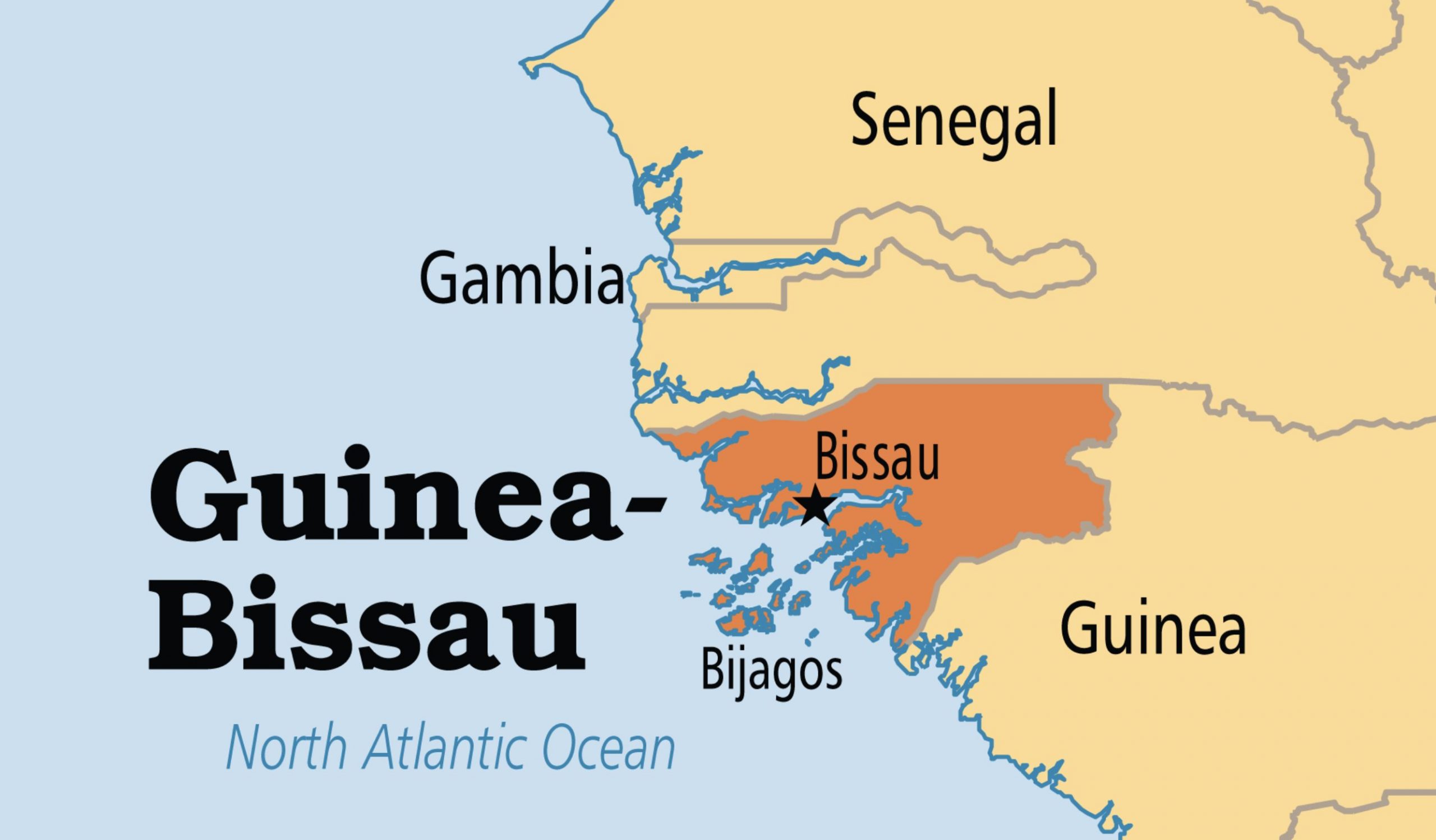
    Guinea-Bissau, one of the world’s most coup-prone nations, witnessed yet another military takeover on 26 November 2025, overthrowing President Umaro Sissoco Embaló. The coup was led by members of the Presidential Guard, marking the latest in a long line of disruptions to democratic governance in West Africa.

    Geography & Country Profile

    • Location: West Africa, bordered by
      • Senegal (North)
      • Guinea (East & South)
      • Atlantic Ocean (West)
    • Language: Portuguese (Lusophone Africa).
    • Population: Approx. 2.25 million.
    • HDI Rank: 174 / 193 (UNDP).
    • Economy: Dominated by agriculture, especially cashew nuts
      • Cashew = 80%+ of export earnings (World Bank).
    • Known as a hub for drug trafficking (Latin America → Europe).

    Political Background

    • Independence from Portugal in 1974.
    • One of the most unstable countries globally:
      • Has had more successful coups than peaceful transfers of power.
    • Termed the “Coup Trap” country – chronic cycle where military becomes the dominant political actor.
    In the recent years Chad, Guinea, Mali and Sudan caught the international attention for which one of the following reasons common to all of them? (2023)

    (a) Discovery of rich deposits of rare earth elements 

    (b) Establishement of Chinese military bases 

    (c) Southward expansion of Sahara Desert 

    (d) Successful coups

  • Pharma Sector – Drug Pricing, NPPA, FDC, Generics, etc.

    [2nd December 2025] The Hindu OpED: The new action plan on AMR needs a shot in the arm

    PYQ Relevance

    [UPSC 2014] Can overuse and free availability of antibiotics without Doctor’s prescription, be contributors to the emergence of drug-resistant diseases in India? What are the available mechanisms for monitoring and control? Critically discuss the various issues involved.

    Linkage: This PYQ directly mirrors the article’s focus on antibiotic misuse, OTC access, and weak regulatory control driving AMR. It lets you use NAP-AMR 2.0 to show gaps in surveillance, stewardship, and One Health governance, exactly what the exam tests.

    Mentor’s Comment

    AMR is now a major threat to India’s health, food systems, and environment. Resistance has moved beyond hospitals into water, soil, and livestock. NAP-AMR 2.0 is timely and shows a stronger, more accountable approach. This analysis helps you clearly understand what worked, what failed, and what must change.It also builds GS2 and GS3 depth through governance, science, environment, and One Health linkages.

    Introduction

    India has released its National Action Plan on Antimicrobial Resistance (NAP-AMR 2.0) for 2025-29, signalling a renewed commitment to containing AMR, a challenge that affects human health, livestock, agriculture, the environment, and food systems. Unlike the first plan (2017), which saw uneven adoption across States, the second plan attempts structural reform through higher accountability, stronger surveillance, private-sector engagement, multi-departmental integration and One Health alignment.

    Why in the news?

    The launch of NAP-AMR 2.0 marks a significant turning point because AMR has now expanded beyond hospitals into soil, water, livestock, markets and food systems, making it a full-spectrum health and environmental challenge. 

    How did the first NAP-AMR evolve and where did it fall short?

    1. Significant early progress: Brought AMR into national consciousness, encouraged multi-sectoral participation, improved laboratory networks, and strengthened stewardship.
    2. One Health recognition: Placed AMR within the interface of human health, animals and environment.
    3. State-level stagnation: Most States undertook only individual activities; only a few (Kerala, MP, Delhi, AP, Gujarat, Sikkim, Punjab) created formal AMR action plans.
    4. Weak institutional execution: Multisectoral One Health structures were missing in most States.
    5. Uneven governance: Human health, veterinary systems, pharmaceuticals and waste management lie under different jurisdictions, causing weak coordination.
    6. Monitoring deficiencies: Surveillance, regulatory oversight, environmental contamination monitoring and antibiotic stewardship remained fragmented.

    What makes NAP-AMR 2.0 more mature and implementation-focused?

    1. Shift to national priorities: Moves beyond intent; outlines clear responsibilities across levels of governance.
    2. Private sector engagement: Recognises that a major share of India’s health care and veterinary services is provided privately.
    3. Scientific strategy: Emphasises innovation, rapid diagnostics, alternatives to antibiotics, and improved environmental monitoring.
    4. One Health deepening: Stronger coordination across food safety, waste management, agriculture, environment and human/animal health.

    What new governance mechanisms does the NAP-AMR 2.0 introduce?

    1. Higher accountability: Greater role for national supervision through a dedicated Coordination and Monitoring Committee.
    2. State-level innovation: Recommends every State establish a One Health inter-ministerial AMR committee, along with State AMR cells.
    3. Integrated reporting framework: Aligns State reporting with national structures for uniform monitoring.
    4. Technical backbone: Calls for a national follow-up mechanism and a multi-departmental coordinating structure.

    Where do administrative and operational gaps persist?

    1. Funding limitations: NITI Aayog’s earlier financial grant-based system did not generate adequate incentives.
    2. Weak incentive design: No system for rewarding State performance or penalising poor progress.
    3. Fragmented responsibility: Human health, veterinary systems, agriculture, pharmaceuticals and waste sectors work under separate ministries and State departments.
    4. Lack of real-time accountability: No statutory notification requiring States to inform the Centre of AMR progress.
    5. Dependence on central push: States often wait for Union-level initiatives rather than proactively building AMR infrastructure.

    What financial and institutional reforms does the article highlight as essential?

    1. Mandatory funding channels: Conditional grants through the National Health Mission (NHM) for surveillance and laboratory systems.
    2. Administrative energy: Once funding becomes compulsory, States respond faster.
    3. Scientific backbone: Need for a sustainable, long-term national centre for AMR control and accountability.
    4. International relevance: Without a Centre-backed national AMR programme, India cannot engage in meaningful global AMR governance.

    Conclusion

    The NAP-AMR 2.0 offers an opportunity to anchor India’s AMR response on a stronger scientific and institutional foundation. But success will require coordinated State participation, financial backing, and accountable governance, not just policy intention. A central AMR Centre, integrated surveillance, and enforceable incentives could finally convert national plans into ground-level action across health systems, veterinary services, agriculture, food safety and environmental management.

  • Air Pollution

    Why pollution affects north Indian cities more than south and west

    Introduction

    Over 2015-2025, no northern Indian city recorded “safe” air quality even once, with Delhi emerging as the most polluted city. In contrast, cities in the south and west maintained comparatively better AQI levels. This consistent divergence reflects entrenched geographical, meteorological, and structural constraints that trap pollutants in the Indo-Gangetic Plain while aiding dispersion along the coasts.

    Why in the news

    A new assessment titled Air Quality Assessment of Major Indian Cities (2015-2025) reported that Delhi continues to be the most polluted city, with AQI stagnating at unhealthy levels. The study shows sharp regional contrasts, revealing that only southern and western cities showed sustained air quality improvements, making this a significant environmental governance concern.

    Persistent Regional Air Quality Divide

    Why northern cities remain severely polluted

    1. Consistent high pollution: Northern cities experienced prolonged severe pollution episodes across the decade.
    2. Limited “healthy days”: None recorded AQI within safe thresholds in 2025.
    3. Stagnant improvement: Even when AQI dipped (e.g., 2019), levels remained far above healthy limits.

    How southern and western cities compare

    1. Cleaner AQI bands: Chennai, Chandigarh, Visakhapatnam, and Mumbai maintained AQI between 80-140.
    2. Steady progress: These cities displayed clear improvements between 2015-2025.
    3. Best performer: Bengaluru recorded the best AQI among all 11 cities.

    Why Delhi Emerges as the Worst Performer

    Data trends

    1. Peak AQI: Delhi saw its worst AQI in 2016 (over 250).
    2. Temporary dips: AQI improved in 2019 but did not meet healthy standards.
    3. Current status: AQI stagnated at 180.5 in 2025, indicating persistent failure to achieve safe limits.

    Structural challenges

    1. Urban surface roughness: Dense built-up surfaces inhibit wind flows and pollutant dispersion.
    2. Trapping effect: Reduced ventilation leads to prolonged retention of pollutants.

    Why Secondary Northern Cities Remain Highly Polluted

    Cities in focus: Lucknow, Varanasi, Ahmedabad, and Pune showed:

    1. Prolonged elevated AQI: Frequent high pollution days with slow improvement.
    2. Mixed progress: Improvements after 2019, but still above healthy limits.
    3. Heavy pollutant load: Emissions + weak dispersion exacerbate poor quality.

    Why Southern & Western Cities Perform Better

    1. Favourable winds: Sea breezes in coastal cities aid pollutant dispersal.
    2. Better atmospheric ventilation: Stronger monsoon winds and less winter stagnation.
    3. Urban characteristics: Less surface roughness compared to Delhi’s dense built-up terrain.

    Outcome

    1. Improved AQI stability
    2. Lower incidence of sharp pollution spikes

    Geography and Winter Inversion: The Deciding Factors

    Geographical lock-in

    1. Indo-Gangetic Basin: Landlocked region bounded by the Himalayas prevents outflow of pollutants.
    2. Pollutant entrapment: Cold northern boundary and flat terrain acts like a “pollution bowl”.

    Winter inversion

    1. Temperature inversion effect: Warm air traps cold, dense air near the surface and this leads to pollutants settling close to ground level.
    2. Seasonal peak: December-February shows intensified pollution due to reduced boundary layer height.

    Built environment factor

    1. Surface roughness: Urban canyons in Delhi slow wind speed, increasing stagnation.

    Seasonal Wind Patterns and Air Dispersion

    Why southern/western cities improve during monsoon

    1. Strong monsoon flows disperse pollutants effectively.
    2. Regular ventilation cycles prevent accumulation.

    Why northern cities worsen in winter

    1. Weak westerly winds
    2. Lower atmospheric mixing height
    3. Persistent fog, cold air trapping, and stagnation

    Conclusion

    The decade-long air quality analysis underscores a structural, region-specific pollution challenge rooted in geography, climate, and urban form. Northern cities, especially those in the Indo-Gangetic Basin, remain trapped in severe winter pollution cycles, while southern and western cities benefit from favourable winds and dispersion conditions. Any meaningful pollution mitigation strategy must therefore be region-sensitive and climatologically informed.

    PYQ Relevance

    [UPSC 2021] Describe the key points of the revised Global Air Quality Guidelines (AQGs) released by the World Health Organisation (WHO). How are these different from its last update in 2005? What changes in India’s National Clean Air Programme are required to achieve these revised standards?

    Linkage: This topic is important for UPSC as it highlights India’s deep regional air-quality disparities and the structural limits of current pollution-control policies. It links directly to GS-3 themes of air pollution, WHO AQGs, NCAP reforms, and the recurring winter inversion-driven smog episodes in north Indian cities.

  • Promoting Science and Technology – Missions,Policies & Schemes

    Why does India need bioremidiation

    Introduction

    Bioremediation uses microorganisms such as bacteria, fungi, algae, and plants to break down toxic pollutants like pesticides, plastics, heavy metals, and industrial chemicals into harmless by-products. With India experiencing severe air, water, and soil contamination, bioremediation provides a scalable and sustainable pathway to clean ecosystems. At the same time it will  generate opportunities in biotechnology and environmental consulting.

    What Is Driving India Toward Bioremediation?

    1. Rapid industrialisation: Intensifies contamination of air, water, and land, increasing demand for cost-effective clean-up solutions.
    2. High pollution load: Rivers continue to receive sewage and industrial effluents daily, causing persistent ecological and health risks.
    3. Limitations of traditional clean-up: Conventional methods are expensive, energy-intensive, and often shift pollutants to secondary waste streams.
    4. Biological advantage: Indigenous and extremophile microbes adapted to local temperatures, salinity, and soil conditions perform better than imported strains.

    How Do Different Types of Bioremediation Work?

    1. In situ bioremediation: Direct treatment at the contaminated site (e.g., bacteria sprayed on oil spills or contaminated soil treated on location).
    2. Ex situ bioremediation: Removal and controlled treatment of polluted soil or water in bioreactors or treatment facilities before returning it.
    3. Combination with biotechnology: Genetically modified microbes designed to degrade complex pollutants like plastics or toxins offer enhanced efficiency.

    How Is India Using Bioremediation Today?

    1. Government-supported pilot projects: DBT supports several programmes through its Clean Technology Programme, linking universities, research institutions, and industries.
    2. CSIR-National Environmental Engineering Research Institute initiatives: Mandate to develop and implement bioremediation solutions; contributes to policymaking.
    3. Indian Institute of Technology experiments: Development of microbial synthesised compounds to mop up oil spills and identify bacteria suitable for soil restoration.
    4. Emerging startups: Firms like Biotech Consortium India Limited (BCIL) and Ecominr India offer soil and water microbial solutions.

    What Are Other Countries Doing?

    1. Japan: Integrates microbial and plant-based systems into municipal solid waste strategy.
    2. European Union: Funds cross-country projects to remove toxins, clean up oil spills, and restore mining sites.
    3. China: Makes bioremediation a priority under soil pollution control frameworks and uses genetically improved bacteria for industrial waste.

    What Are the Risks and Challenges?

    1. Environmental risks: Introduction of genetically modified organisms must be strictly monitored to prevent unintended ecological effects.
    2. Lack of unified standards: Absence of national bioremediation protocols, biosafety guidelines, certification systems.
    3. Knowledge and skill gaps: Limited trained personnel, weak microbial testing frameworks, and poor site assessment capacity.
    4. Public scepticism: Low awareness about microbes as environmental allies may slow adoption.

    What Should India Do Next?

    1. Standard-development: Develop national protocols for microbial applications and bioremediation safety.
    2. Regional bioremediation hubs: Link universities, startups, and industries for field testing and faster scale-up.
    3. Government integration: Align bioremediation with Namami Gange, Swachh Bharat Mission, and industrial clean-up mandates.
    4. Public engagement: Raise awareness about biological solutions to restore trust in microbial technologies.

    Conclusion

    Bioremediation presents India with a scalable, sustainable, and scientifically grounded pathway to address its massive environmental burdens. While global examples offer templates for success, India must create strong regulatory frameworks, biosafety standards, and capacity-building ecosystems. Integrating microbes with national missions and industrial compliances can transform bioremediation from pilot projects into mainstream environmental governance.

    PYQ Relevance

    [UPSC 2018] What are the impediments in disposing of the huge quantities of discarded solid wastes which are continuously being generated? How do we remove safely the toxic wastes that have been accumulating in our habitable environment?

    Linkage: This PYQ is highly relevant as it falls under GS3 pollution, waste management, and sustainable clean-up. The article links directly by showing how microbial systems overcome traditional waste-disposal barriers and safely break down toxic, accumulated solid waste.

Join the Community

Join us across Social Media platforms.