💥UPSC 2026, 2027, 2028 UAP Mentorship (March Batch) + Access XFactor Notes & Microthemes PDF

Type: Prelims Only

  • Pharma Sector – Drug Pricing, NPPA, FDC, Generics, etc.

    What is National List of Essential Medicines (NLEM)?

    Note4Students

    From UPSC perspective, the following things are important:

    Prelims level: Essential Medicines

    Mains level: Not Much

    The latest National List of Essential Medicines (NLEM) released September 13, 2022 by the Union health ministry added 34 new medicines and dropped 26 old ones from the previous list.

    What is NLEM?

    • As per the World Health Organisation (WHO), Essential Medicines are those that satisfy the priority health care needs of the population.
    • Ministry of Health and Family Welfare hence prepared and released the first National List of Essential Medicines of India in 1996 consisting of 279 medicines.
    • The list is made with consideration to disease prevalence, efficacy, safety and comparative cost-effectiveness of the medicines.
    • Such medicines are intended to be available in adequate amounts, in appropriate dosage forms and strengths with assured quality.
    • They should be available in such a way that an individual or community can afford.

    NLEM in India

    • Drugs listed under NLEM — also known as scheduled drugs — will be cheaper because the National Pharmaceutical Pricing Authority (NPPA) caps medicine prices and changes only based on wholesale price index-based inflation.
    • The list includes anti-infectives medicines to treat diabetes such as insulin — HIV, tuberculosis, cancer, contraceptives, hormonal medicines and anaesthetics.
    • They account for 17-18 per cent of the estimated Rs 1.6-trillion domestic pharmaceutical market.
    • Companies selling non-scheduled drugs can hike prices by up to 10 per cent every year.
    • Typically, once NLEM is released, the department of pharmaceuticals under the ministry of chemicals and fertilisers adds them in the Drug Price Control Order, after which NPPA fixes the price.

    Significance of EML

    • Drawing an essential medicines list (EML) is expected to result in better quality of medical care, better management of medicines and cost-effective use of health care resources.
    • This is especially important for a resource limited country like India.
    • The list of essential medicines is intended to have a positive impact on the availability and rational use of medicines.

    Also read

    What is the NPPA’s role in fixing drug prices?


    UPSC 2023 countdown has begun! Get your personal guidance plan now! (Click here)

  • Fertilizer Sector reforms – NBS, bio-fertilizers, Neem coating, etc.

    Scientists remain sceptical about how Liquid Nano Urea benefits crops

    Note4Students

    From UPSC perspective, the following things are important:

    Prelims level: Liquid Nano Urea (LNU)

    Mains level: Not Much

    Liquid Nano Urea, a fertilizer patented and sold by the Indian Farmers Fertiliser Cooperative Ltd. (IFFCO), has been approved by the government for commercial use because of its potential to substantially reduce the import bill, but several experts have questioned the science underlying its efficacy.

    What is Liquid Nano Urea (LNU)?

    • Urea is chemical nitrogen fertiliser, white in colour, which artificially provides nitrogen, a major nutrient required by plants.
    • LNU is essentially urea in the form of a nanoparticle.
    • It is sprayed directly on the leaves and gets absorbed by the plant.
    • Fertilisers in nano form provide a targeted supply of nutrients to crops, as they are absorbed by the stomata, pores found on the epidermis of leaves.
    • According to IFFCO, liquid nano urea contains 4 per cent total nitrogen (w/v) evenly dispersed in water.
    • The size of a nano nitrogen particle varies from 20-50 nm. (A nanometre is equal to a billionth of a metre.)

    Using LNU

    • The liquid nano urea produced by IFFCO Limited comes in a half-litre bottle priced at Rs 240, and carries no burden of subsidy currently.
    • By contrast, a farmer pays around Rs 300 for a 50-kg bag of heavily subsidised urea.
    • According to IFFCO, a bottle of the nano urea can effectively replace at least one bag of urea.

    How efficient is LNU?

    • While conventional urea has an efficiency of about 25 per cent, the efficiency of liquid nano urea can be as high as 85-90 per cent.
    • Conventional urea fails to have the desired impact on crops as it is often applied incorrectly, and the nitrogen in it is vaporized or lost as a gas.
    • A lot of nitrogen is also washed away during irrigation.
    • Liquid nano urea has a shelf life of a year, and farmers need not be worried about “caking” when it comes in contact with moisture.

    Significance of LNU

    • This patented product is expected to not only substitute imported urea, but to also produce better results in farms.
    • Apart from reducing the country’s subsidy bill, it is aimed at reducing the unbalanced and indiscriminate use of conventional urea.
    • It will help increase crop productivity, and reduce soil, water, and air pollution.

    Why in news now?

    • Plants need nitrogen to make protein and they source almost all of it from soil bacteria which live in a plant’s roots and have the ability to break down atmospheric nitrogen, or that from chemicals such as urea into a form usable by plants.
    • Chemically packaged urea is 46% nitrogen, which means a 45-kg sack contains about 20 kg of nitrogen.
    • Contrastingly, nano urea sold in 500-ml bottles has only 4% nitrogen (or around 20 g).
    • How this can compensate for the kilograms of nitrogen normally required puzzles scientists.


    UPSC 2023 countdown has begun! Get your personal guidance plan now! (Click here)

  • Roads, Highways, Cargo, Air-Cargo and Logistics infrastructure – Bharatmala, LEEP, SetuBharatam, etc.

    GPS-based toll system to replace FASTag

    Note4Students

    From UPSC perspective, the following things are important:

    Prelims level: FASTags, GPS

    Mains level: Read the attached story

    The government plans to start a GPS-based toll system in place of FASTag to ensure seamless payment and vehicle movement on national highways.

    Why in news?

    • The move would end the role of toll plazas across the country.

    How will a GPS-based tolling system work?

    • Vehicles will be fitted with an electronic device that can track their movement.
    • Highways will be geo-fenced, creating virtual boundaries. The system will use GPS or radio frequency identification technologies.
    • The software will recognize when a mobile device enters or leaves a particular area, and toll will be charged based on the distance travelled at the highway’s exit point.
    • As the system is based on sensors, there will be no need to stop at toll plazas.
    • Vehicles and users must be registered with the GPS toll system, linked to bank accounts that will be used to transfer toll payments.

    What are FASTags?

    • FASTags are stickers that are affixed to the windscreen of vehicles and use Radio Frequency Identification (RFID) technology to enable digital, contactless payment of tolls without having to stop at toll gates.
    • RFID uses electromagnetic fields to automatically identify and track tags attached to objects.
    • The tags are linked to bank accounts and other payment methods.
    • As a car crosses a toll plaza, the amount is automatically deducted, and a notification is sent to the registered mobile phone number.

    Issues with FASTags

    • Since the card is affixed to the windscreen, it can be easily misplaced, damaged or stolen.
    • The existing FASTag system, though faster than cash payments, still requires vehicles to stop at toll booths to enable reading of tags.
    • Also, the vehicle must wait till the gate is opened.
    • It has been observed that sometimes the toll fee is deducted twice from user account. Mostly, this happens due to a technical glitch.
    • Some card readers take longer time to read and register. Hence the purpose of saving time is itself defied.
    • Still, the wait time at toll booths is much more than the 30 seconds that was promised earlier.
    • Also, it has not helped reduce the number of toll booths.

    Hence the benefits of using FASTag far outweigh the challenges.

    Is FASTags a total failure?

    • Usage has increased since FASTag was made mandatory in 2021 after its launch in 2015.
    • Penetration has grown from nearly 16% in FY18 to 96.3% in FY22.
    • Total toll collection in FY18 was ₹21,948 crore, including ₹3,532 crore collected through FASTags.
    • In FY22, toll collection through FASTags increased sharply to ₹33,274 crore out of total toll collection of ₹34,535 crore.

    How will GPS benefit highway users?

    • GPS tolling uses satellite-based navigation and requires no halting.
    • Also, vehicles can be charged only for their actual travel on a highway stretch.
    • Currently, toll is paid at toll booths which is fixed between two points of tolling and a user does not get any concession even if he/she exits before completing the full run between two toll plazas.
    • The new system should reduce the toll amount charged for travel on highways.

    What is the progress so far on GPS tolling?

    • The Union road ministry has amended the National Highways Fee (Determination of Rates and Collection) Rules, 2008, allowing for the collection of toll based on distance travelled on national highways.
    • This will facilitate the introduction of GPS tolling.
    • First trials may be done on the under-construction Mumbai-Delhi expressway which will be geo-fenced.
    • Also the cost of GPS devices needs to be considered at very beginning.

    Way forward

    • The system needs a proper legislative framework, and a full launch is still years away. The government intends to introduce it in phases.
    • The road ministry is expected to amend the Motor Vehicles Act and create rules to facilitate GPS tolling as well as to penalize offenders.
    • Moreover, GPS will come with its own set of complications on calculating differential tolls.
    • Regulations and framework for these need to be developed first.


    UPSC 2023 countdown has begun! Get your personal guidance plan now! (Click here)

  • Global Geological And Climatic Events

    What is Karoo-Ferrar Large Igneous Province?

    Note4Students

    From UPSC perspective, the following things are important:

    Prelims level: Karoo-Ferrar Large Igneous Province

    Mains level: NA

    karoo

    A new study shows that a decline in continental plate movement likely controlled the onset and duration of many of the major volcanic events throughout Earth’s history.

    Why is the news?

    • Previous studies have linked major volcanic eruptions with past mass extinctions and disturbances in the global climatic, environmental and the carbon cycle.
    • Large igneous province volcanism, formations due to major volcanic eruptions occurring throughout Earth’s history, released large quantities of greenhouse gasses and toxic compounds into the atmosphere.
    • The sea warmed up by 4°C to 10°C, even at low- to mid-latitudes, the study noted.
    • Increased acidic levels and a lack of oxygen drove major ocean extinctions.
    • Large-scale volcanism took place in southern Africa, Antarctica and Australia. This is known as the Karoo-Ferrar Large Igneous Province.

    About Karoo-Ferrar Large Igneous Province

    • The Karoo and Ferrar Large Igneous Provinces (LIPs) are two large igneous provinces in Southern Africa and Antarctica respectively, collectively known as the Karoo-Ferrar, Gondwana, or Southeast African LIP associated with the initial break-up of the Gondwana supercontinent.
    • Its flood basalt mostly covers South Africa and Antarctica but portions extend further into southern Africa and into South America, India, Australia and New Zealand.
    • Karoo-Ferrar formed just prior to the breakup of Gondwana in the Lower Jurassic epoch, about 183 million years ago.
    • This time corresponds to the early Toarcian anoxic event and the Pliensbachian-Toarcian extinction.


    UPSC 2023 countdown has begun! Get your personal guidance plan now! (Click here)

  • Modern Indian History-Events and Personalities

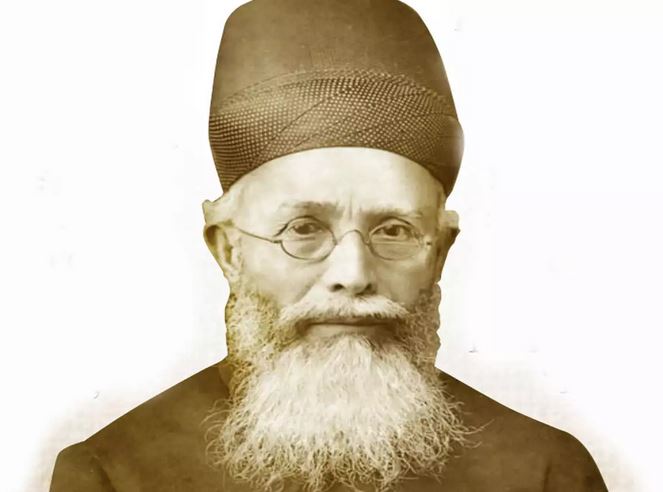
    Who was Dara Shikoh?

    dara shikoh

    The Vice President has released the Arabic Version of “Majma Ul-Bahrain” of Mughal Prince Dara Shikoh.

    The course of the history of the Indian subcontinent, had Dara Shikoh prevailed over Aurangzeb, has been a matter of some conjecture among historians. Critically analyse.

    Who was Dara Shikoh?

    • Dara Shikoh, who was Mughal emperor Shah Jahan’s son and expected heir, was killed on the orders of his brother Aurangzeb in 1659 after losing the war of succession.
    • He was the eldest son and heir-apparent of the Mughal emperor Shah Jahan.
    • Dara was designated with the title Padshahzada-i-Buzurg Martaba (Prince of High Rank) and was favored as a successor by his father and his older sister, Princess Jahanara Begum.
    • In the war of succession which ensued after Shah Jahan’s illness in 1657, Dara was defeated by his younger brother Prince Muhiuddin (Aurangzeb).
    • He was executed in 1659 on Aurangzeb’s orders in a bitter struggle for the imperial throne.

    His legacy

    • Dara was a liberal-minded unorthodox Muslim as opposed to the orthodox Aurangzeb.
    • He authored the work Majma Ul-Bahrain (The Confluence of the Two Seas), which argues for the harmony of Sufi philosophy in Islam and Vedanta philosophy in Hinduism.
    • It was Dara Shikoh who was responsible for making the Upanishads available to the West as he had them translated.
    • He had commissioned a translation of Yoga Vasistha.
    • A great patron of the arts, he was also more inclined towards philosophy and mysticism rather than military pursuits.
    • He translated the Upanishads and other important works from Sanskrit to Persian. He was convinced that the Upanishads are what the Qur’an calls ‘Al-Kitab Al-Maknoun’ (The Hidden book).

    Try this PYQ:

    Q.Who among the following Mughal Emperors shifted emphasis from illustrated manuscripts to album and individual portrait?

    (a) Humayun

    (b) Akbar

    (c) Jahangir

    (d) Shah Jahan


    Post your answers here.


    UPSC 2023 countdown has begun! Get your personal guidance plan now! (Click here)

  • Railway Reforms

    Vande Bharat production to begin in October: Minister

    Note4Students

    From UPSC perspective, the following things are important:

    Prelims level: Vande Bharat express

    Mains level: High speed railway in India

    vande bharat

    Indian Railways had successfully completed trials of the second generation Vande Bharat train that will come with enhanced passenger comfort and safety features.

    What is Vande Bharat Express?

    • The Vande Bharat Express is a semi-high-speed train designed, developed, and built by the Integral Coach Factory (ICF).
    • Presently there are only two Vande Bharat trains that are running — Delhi to Varanasi and Delhi to Katra.

    Key Features

    • The current Vande Bharat trains have seating only in two classes — chair car and executive chair car. But Railways is planning to upgrade it.
    • The trains have fully sealed gangways for a dust-free environment, modular bio-vacuum toilets, rotating seats in Executive Class, personalized reading lights, automatic entry/exit doors with sliding footsteps, diffused LED lighting, mini pantry, and sensor-based interconnecting doors in each coach.
    • They are self-propelled trains that do not require an engine. This feature is called a distributed traction power system.

    Benefits of Vande Bharat Trains

    • Cuts Travel Time Drastically
    • Energy Efficient
    • Reduce Turnaround Time
    • Faster Acceleration and Deceleration among others.


    UPSC 2023 countdown has begun! Get your personal guidance plan now! (Click here)

  • Three Indian Cities are now in UNESCO Global Network of Learning Cities

    Note4Students

    From UPSC perspective, the following things are important:

    Prelims level: UNESCO Learning Cities

    Mains level: Not Much

    unesco

    Warangal, Nilambur, and Thrissur have joined the UNESCO Global Network of Learning Cities (GNLC).

    What does UNESCO Global Network of Learning Cities mean?

    • An international policy-oriented network, the UNESCO Global Network of Learning Cities is a network of inspiration, know-how and best practices.
    • It is coordinated by the UNESCO Institute for Lifelong Learning (UIL).
    • The Network has member cities that it supports in aspects like promoting policy dialogue and peer learning, documenting effective strategies and best practices; building partnerships; capacity development; and more.

    What is a learning city?

    • According to UNESCO, a learning city is one that
    1. effectively mobilizes its resources in every sector to promote inclusive learning from basic to higher education
    2. revitalizes learning in families and communities
    3. facilitates learning for and in the workplace
    4. extends the use of modern learning technologies
    5. enhances quality and excellence in learning
    6. fosters a culture of learning throughout life
    • In doing so, the city enhances individual empowerment and social inclusion, economic development and cultural prosperity, and sustainable development

    Inclusion of Indian cities

    • The Indian cities, Nilambur and Thrissur in Kerala, and Warangal in Telangana became the nation’s first entrants in the UNESCO Global Network of Learning Cities.
    • As per UNESCO, 77 cities from 44 countries across the globe have joined the UNESCO Global Network of Learning Cities.
    • The group of global cities also includes cities like Beijing, Shanghai, Hamburg, Athens, Incheon, Bristol, and Dublin.
    • The inclusion will foster sharing of ideas with other cities, provide already applied solutions to issues and much more.

    About the cities

    (1) Thrissur – the cultural capital of Kerala

    • Popularly known as the cultural capital of Kerala, Thrissur is home to academic and research institutions.
    • It is also known for its jewellery industry, especially gold.
    • As a member of the UNESCOI GNLC, Thrissur hopes to contribute to the intellectual and peer learning processes, focusing on equitable access to learning for all, digital learning ecosystems and skills for sustainability.
    • Thrissur ticked UNESCO’s check boxes in aspects of good practices, equity and inclusion among other factors.
    • For e.g., the presence of a MSME-Development Institute of India regional centre in Thrissur offers institutional support in promoting decent work and entrepreneurship through upskilling.

    (2) Nilambur, Kerala’s eco-tourism destination

    • Nilambur is an eco-tourism destination in the Kerala.
    • It is a city with various socio-economic patterns marked by an urban and rural mix.
    • The majority of the population depends on agriculture and allied industries.
    • The city offers free healthcare facilities to all citizens and utilizes health volunteers to provide door-to-door treatment for bedded patients.
    • It also promotes first-aid training for students and young citizens.
    • Nilambur aims to promote sustainable development, gender equality, inclusivity and democracy through community ownership.
    • Nilambur also aspires to become a women-friendly city by ensuring equal opportunities in all sectors, promoting capacity-building and reducing harassment.
    • As a learning city, Nilambur aims to work to innovate in agriculture and handicrafts, promote eco-tourism and improve water management.

    (3) Warangal, the tourism spot

    • Warangal has a rich cultural heritage. The city is a major tourism venue, welcoming 3.2 million tourists every year.
    • Warangal’s economy is primarily composed of agricultural, industrial and service sectors.
    • The city promotes equity and inclusion, for which it has implemented several strategies, including Women and Child Welfare policy, Urban Policy etc.
    • Further, it also provides free training to the transgender community which helps in employment opportunities.


    UPSC 2023 countdown has begun! Get your personal guidance plan now! (Click here)

  • Innovations in Sciences, IT, Computers, Robotics and Nanotechnology

    Cyborg Cockroaches to help in urban search-rescue missions

    Note4Students

    From UPSC perspective, the following things are important:

    Prelims level: Cyborg

    Mains level: Not Much

    cyborg

    Japanese scientists have devised a system that can create cyborg cockroaches that are part insect and part machine.

    Cyborg cockroaches

    • Cyborg cockroaches’ movements are controlled by tiny integrated circuits.
    • They will be able to conduct surveillance in procedures like urban search and rescue, environmental monitoring and inspection of areas dangerous to humans.
    • By equipping the cockroaches with small wireless control modules, handlers will be able to control the insect’s legs remotely for long periods of time.
    • The team used Madagascar cockroaches, which are not only the largest species of cockroaches, reaching an estimated 6 cm, but are also known for making hissing sounds when disturbed, which they make by expelling air from the openings on their back.

    How is it powered?

    • The researchers also designed the system to be rechargeable, by powering it with a super thin 0.004 mm solar cell module that is installed on the dorsal side of the cockroach’s abdomen.
    • This was done to ensure that the battery remains charged and the cockroach can be controlled for long periods of time, while simultaneously ensuring that the movement remains unhindered.


    UPSC 2023 countdown has begun! Get your personal guidance plan now! (Click here)

  • Waste Management – SWM Rules, EWM Rules, etc

    Ban on Single-Use Plastics

    Note4Students

    From UPSC perspective, the following things are important:

    Prelims level: Single use plastics

    Mains level: Need for plastic waste management

    Since July 1, 2022, India has banned the manufacture, import, stocking, distribution, sale, and use of single-use plastics (SUP) items with low utility and high littering potential.

    What are single-use plastics?

    • Single-use plastics, often also referred to as disposable plastics, are commonly used for plastic packaging and include items intended to be used only once before they are thrown away or recycled.
    • These include, among other items, grocery bags, food packaging, bottles, straws, containers, cups and cutlery.

    Why are single-use plastics harmful?

    • The purpose of single-use plastics is to use them once or for a short period of time before disposing of them. Plastic waste has drastic impacts on the environment and human health.
    • There is a greater likelihood of single-use plastic products ending up in the sea than reusable ones.

    SUP ban in India

    • India has taken resolute steps to mitigate pollution caused by littered single-use plastics.
    • A number of items are banned, including earbuds with plastic sticks, balloon sticks, plastic flags, candy sticks, ice cream sticks, polystyrene (thermocol) for decorations, plates, cups, glasses, cutlery such as forks, spoons, knives, straws etc.
    • India has also banned plastic or PVC banners less than 100 micron, stirrers, etc.

    What is the impact on the environment?

    [A] Solid Waste generation

    • The disposal of plastics is one of the least recognized and most highly problematic areas of plastic’s ecological impact.
    • Ironically, one of plastic’s most desirable traits: its durability and resistance to decomposition, is also the source of one of its greatest liabilities when it comes to the disposal of plastics.
    • A very small amount of total plastic production (less than 10%) is effectively recycled; the remaining plastic is sent to landfills.
    • It is destined to remain entombed.

    [B] Ecological Impact

    (i) Groundwater and soil pollution

    • Plastic is a material made to last forever, and due to the same chemical composition, plastic cannot biodegrade; it breaks down into smaller and smaller pieces.
    • When buried in a landfill, plastic lies untreated for years.
    • In the process, toxic chemicals from plastics drain out and seep into groundwater, flowing downstream into lakes and rivers.
    • The seeping of plastic also causes soil pollution and have now started resulting in presence of micro plastics in soil.

    (ii) Water Pollution

    • The increased presence of plastic on the ocean surface has resulted in more serious problems.
    • Since most of the plastic debris that reaches the ocean remains floating for years as it does not decompose quickly, it leads to the dropping of oxygen level in the water.
    • It has severely affected the survival of marine species.
    • When oceanic creatures and even birds consume plastic inadvertently, they choke on it which causes a steady decline in their population.
    • In addition to suffocation, ingestion, and other macro-particulate causes of death in larger birds, fish, and mammals.

    [C] Health Hazards

    • Burning of plastic results into formation of a class of flame retardants called as Halogens.
    • Collectively, these harmful chemicals are known to cause the following severe health problems: cancer, neurological damage, endocrine disruption, birth defects and child developmental disorders etc.

    Ban elsewhere

    • India is not the first country to ban single-use plastics.
    • Bangladesh became the first country to ban thin plastic bags in 2002; New Zealand banned plastic bags in July 2019.
    • China had issued a ban on plastic bags in 2020 with a phased implementation.
    • As of July 2019, 68 countries have plastic bag bans with varying degrees of enforcement.

    What are the plastic waste management rules in India?

    • With effect from September 30, 2021 India has the Plastic Waste Management Amendment Rules, 2021.
    • It prohibited the manufacture, import, stocking, distribution, sale, and use of plastic carry bags whose thickness is less than 75 microns.
    • From December 31, 2022, plastic carry bags whose thickness is less than 120 microns will be banned.
    • It means that the ban does not cover all plastic bags; however, it requires the manufacturers to produce plastic bags thicker than 75 microns which was earlier 50 microns.
    • As per the notification, the standard shall be increased to 120 microns in December this year.

    What is the role of the manufacturer?

    • In addition, the Ministry of Environment, Forests, and Climate Change notified the Plastic Waste Management Amendment Rules, 2022 on February 16, 2022.
    • Extended Producer Responsibility (EPR) is the responsibility of a producer for the environmentally sound management of the product until the end of its life.
    • The guidelines provide a framework to strengthen the circular economy of plastic packaging waste, promote the development of new alternatives to plastic packaging and provide the next steps for moving towards sustainable plastic packaging by businesses.

    Various steps taken

    • The Indian government has taken steps to promote innovation and create an ecosystem for accelerated adoption and availability of alternatives across the country.
    • To ensure the effective enforcement of the ban, national and State-level control rooms will be established, as well as special enforcement teams for the purpose of checking the illegal sale and use of single-use plastics.
    • To prevent the movement of banned single-use plastic items between States and Union Territories, border checkpoints have been established.
    • In an effort to empower citizens to help curb the plastic menace, the Central Pollution Control Board (CPCB) has launched a grievance redressal application.

    What are the challenges?

    • The ban will succeed only if all stakeholders participate enthusiastically and engage in effective engagement and concerted actions.
    • However, if we look back at our past, almost 25 Indian States previously banned plastic at the state level.
    • However, these bans had a very limited impact in reality because of the widespread use of these items.
    • Now the challenge is to see how the local level authorities will enforce the ban in accordance with the guidelines.
    • Banned items such as earbuds with plastic sticks, plastic sticks for balloons, etc., are non-branded items and it is difficult to find out who the manufacturer is and who is accountable.

    Way forward

    • The consumer needs to be informed about the ban through advertisements, newspaper or TV commercials, or on social media.
    • In order to find sustainable alternatives, companies need to invest in research and development.
    • The solution to the plastic pollution problem is not the responsibility of the government alone, but of industries, brands, manufacturers and most importantly consumers.
    • Finding alternatives to plastic seems a little difficult, however, greener alternatives to plastic may be considered a sustainable option.
    • For example, compostable and bio-degradable plastic, etc., may be considered as an option.
    • While the total ban on the use of plastic sounds a great idea, its feasibility seems difficult at this hour, especially in the absence of workable alternatives.


    UPSC 2023 countdown has begun! Get your personal guidance plan now! (Click here)

  • Food Processing Industry: Issues and Developments

    Mandatory requirements for Packaged Commodities

    Note4Students

    From UPSC perspective, the following things are important:

    Prelims level: Rule for Packaged Commodities

    Mains level: Read the attached story

    The Department of Consumer Affairs, Legal Metrology Division has notified a draft amendment to the Legal Metrology (Packaged Commodities) Rules 2011 making some compulsions.

    Discrepancies over Packaged Commodities

    • The Division has observed that many manufacturers/packagers/importers do not clearly label necessary declarations or prime constituents on the front of packaged commodities.
    • It is common for consumers to assume that brands’ claims are accurate, but such claims are usually misleading.
    • Such disclosure are deemed essential in order to protect consumer rights.

    What are the mandatory provisions under the Legal Metrology (Packaged Commodities) Rules, 2011?

    • It is mandatory under the Rules, to ensure a number of declarations, such as the:
    1. Name and address of the manufacturer/packer/importer,
    2. Country of origin,
    3. Common or generic name of the commodity,
    4. Net quantity,
    5. Month and year of manufacture
    6. Maximum Retail Price (MRP) and
    7. Consumer care information.
    • As a consumer-oriented policy, all pre-packaged commodities should also be inspected.
    • Rule 9(1)(a) provides that the declaration on the package must be legible and prominent.
    • The consumers’ ‘right to be informed’ is violated when important declarations are not prominently displayed on the package.

    What are the proposed amendments?

    • As many blended food and cosmetic products are sold on the market, the key constituents need to be mentioned on the product packaging.
    • Additionally, the front side of the package must contain the percentage of the composition of the unique selling proposition (USP).
    • Also, packages displaying key constituents must display a percentage of the content used to make the product.
    • The new amendments has suggested that at least two prime components should be declared on the package’s front side along with the brand name.
    • Currently, manufacturers list the ingredients and nutritional information only on the back of the packaging.
    • This declaration must also include the percentage/quantity of the USPs of the product in the same font size as the declaration of the USPs. However, mechanical or electrical commodities are excluded from this sub-rule.

    Back2Basics: Consumer Rights

    Consumer right is an insight into what rights consumer holds when it comes to the seller who provides the goods.

    In general, the consumer rights in India are listed below:

    (1) Right to Safety

    • Means right to be protected against the marketing of goods and services, which are hazardous to life and property.
    • The purchased goods and services should not only meet their immediate needs, but also fulfil long term interests.
    • Before purchasing, consumers should insist on the quality of the products as well as on the guarantee of the products and services. They should preferably purchase quality marked products such as ISI, AGMARK, etc.

    (2) Right to be Informed

    • Means right to be informed about the quality, quantity, potency, purity, standard and price of goods so as to protect the consumer against unfair trade practices.
    • Consumer should insist on getting all the information about the product or service before making a choice or a decision.
    • This will enable him to act wisely and responsibly and also enable him to desist from falling prey to high pressure selling techniques.

    (3) Right to Choose

    • Means right to be assured, wherever possible of access to variety of goods and services at competitive price. In case of monopolies, it means right to be assured of satisfactory quality and service at a fair price.
    • It also includes right to basic goods and services. This is because unrestricted right of the minority to choose can mean a denial for the majority of its fair share.

    (4) Right to be Heard

    • Means that consumer’s interests will receive due consideration at appropriate forums. It also includes right to be represented in various forums formed to consider the consumer’s welfare.

    (5) Right to Seek redressal

    • Means right to seek redressal against unfair trade practices or unscrupulous exploitation of consumers. It also includes right to fair settlement of the genuine grievances of the consumer.
    • Consumers must make complaint for their genuine grievances. Many a times their complaint may be of small value but its impact on the society as a whole may be very large.

    (6) Right to Consumer Education

    • Means the right to acquire the knowledge and skill to be an informed consumer throughout life.
    • Ignorance of consumers, particularly of rural consumers, is mainly responsible for their exploitation.


    UPSC 2023 countdown has begun! Get your personal guidance plan now! (Click here)