💥UPSC 2027,2028 Mentorship (April Batch) + Access XFactor Notes & Microthemes PDF

Type: World Mapping

  • Indian Ocean Power Competition

    Why Chagos Islands matter?

    Note4Students

    From UPSC perspective, the following things are important:

    Prelims level: Chagos Islands (Archipelago)

    Why in the News?

    • British Foreign Minister announced that the deal with Mauritius has settled the long-standing dispute over the sovereignty of the Chagos Islands, the UK’s last overseas territory in Africa.
      • The agreement also ensures the long-term future of the Diego Garcia military base, which is jointly operated by the UK and US.

    About Chagos Islands (Archipelago)

    • The Chagos Archipelago is a group of 58 islands located in the Indian Ocean, approximately 500 km south of the Maldives.
    • It is a strategically significant area, with one of its islands, Diego Garcia, serving as a key military base jointly operated by the UK and US.
    • The archipelago has been at the centre of a decades-long sovereignty dispute between the UK and Mauritius.

    Key Deals and Agreements Related to the Chagos Archipelago

    1. British Indian Ocean Territory (BIOT) Formation (1965)

    • The UK established the BIOT, incorporating the Chagos Archipelago.
    • The islands were detached from Mauritius before its independence.
    • Mauritius received a grant of 3 million pounds from the UK as compensation for the detachment.

    2. UK-US Agreement on Diego Garcia (1966)

    • Britain and the US signed a defense agreement, making the BIOT available for joint military purposes.
    • Diego Garcia became a key military outpost due to its strategic location in the Indian Ocean.
    • The land for the military base was acquired in 1967, and in 1971, the plantation on Diego Garcia was shut down.
    • The BIOT administration passed an Immigration Ordinance, which prohibited residents from remaining on the island without a permit. This led to the forced expulsion of around 2,000 Chagossians, many of whom were resettled in Mauritius and the UK.

    3. United Nations and International Court of Justice (ICJ) Involvement

    • 2017: The UN General Assembly requested the ICJ to issue an advisory opinion on the legal status of the Chagos Islands.
    • 2019: The ICJ ruled that the UK’s continued administration of the islands was illegal, and the detachment of the islands from Mauritius in 1965 was not done with the free consent of the Chagossians. The UNGA adopted a resolution calling on the UK to withdraw from the Chagos Archipelago within six months.

    4. UK-Mauritius Agreement (2023)

    • After years of dispute, Mauritius and the UK reached an agreement over the sovereignty of the Chagos Islands.
    • Under this agreement:
      • The UK has ceded its claims over the islands.
      • Mauritius is allowed to implement a resettlement program on the islands, excluding Diego Garcia.
      • The UK retains sovereignty over Diego Garcia, allowing the military base to remain operational for an initial period of 99 years.
      • A new trust fund is being created for the benefit of Chagossians.

    Why did the UK keep Diego Garcia Base?

    • US-UK Defense Agreement: The base is vital for joint military operations, allowing rapid deployment in critical areas.
    • Global Operations Hub: Key for US air and naval missions during conflicts like the Gulf War and War in Afghanistan.
    • Geopolitical Control: Ensures a strong US-UK presence in the Indian Ocean to counteract other powers, especially China.
    • Strategic Location: Diego Garcia monitors the Malacca Strait and other essential global trade routes, especially energy supplies.

    PYQ:

    [2013] Discuss the political developments in Maldives in the last two years. Should they be of any cause of concern to India?

  • Climate Change Impact on India and World – International Reports, Key Observations, etc.

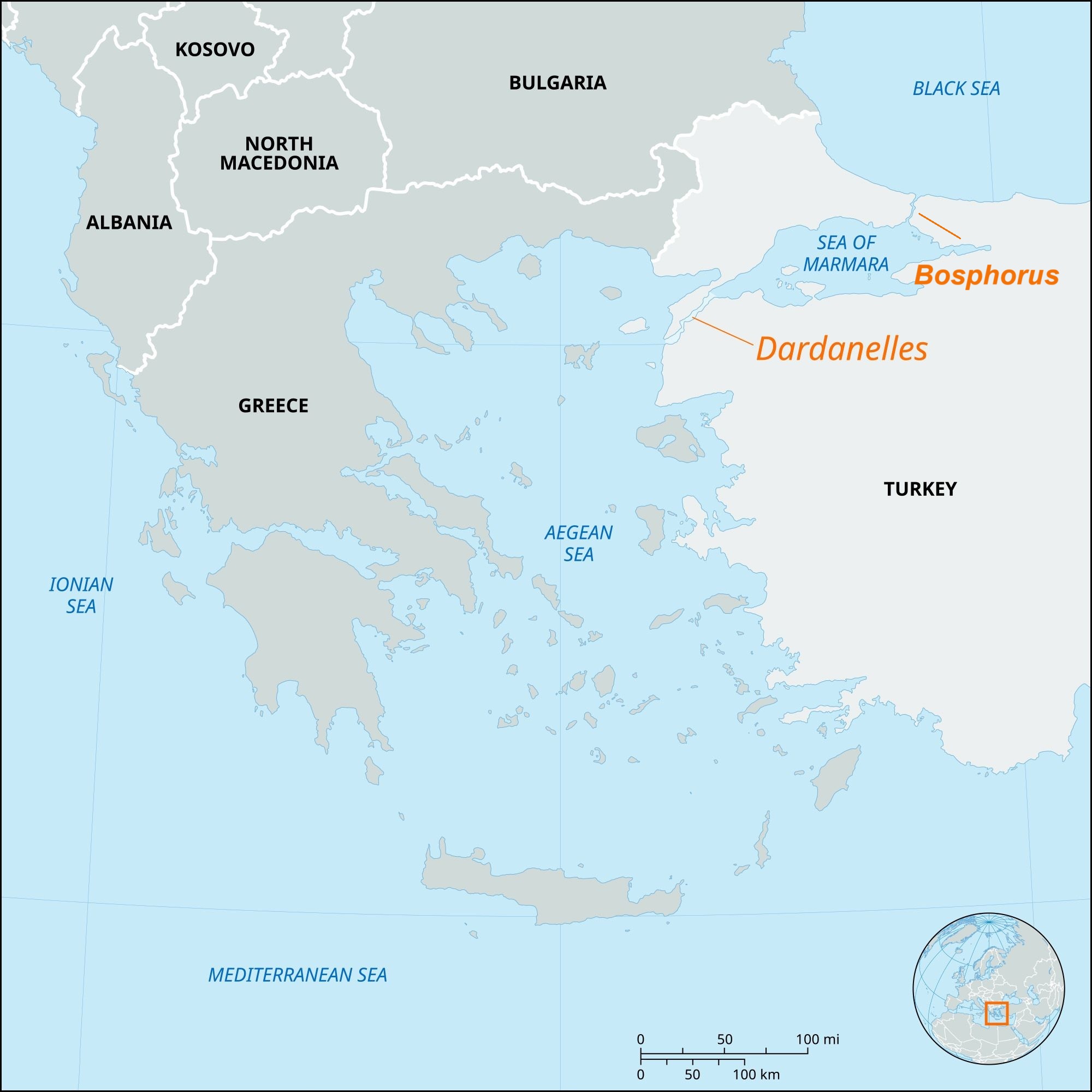
    Little Prespa Lake on Albanian-Greek Border slowly dying

    Note4Students

    From UPSC perspective, the following things are important:

    Prelims level: Little Prespa Lake

    At the Albanian-Greek border, Little Prespa Lake is slowly drying.

    Why in the News?

    At the Albanian-Greek border, Little Prespa Lake is slowly drying.

    About Little Prespa Lake

    • Little Prespa Lake, also known as Small Lake Prespa, is located on the Albanian-Greek border.
    • The majority of the lake lies in Greek territory, with the southern tip extending into Albania.
    • The total area of the lake is approximately 450 hectares within Albanian territory, though much of this area has now transformed into swamps or dried up.
    • It is the smaller part of the nearby Great Prespa Lake, which lies to the south.
    • Historically, the lake was fed by snowmelt and precipitation, but these have reduced significantly due to climate change and human intervention.
    • In the 1970s, communist authorities in Albania diverted the Devoll River for agricultural irrigation around the city of Korca.
    • This diversion significantly reduced the water inflow to the lake, beginning its ecological decline.

    Impact of Little Prespa Lake’s Drying

    • The drying has led to the collapse of the fishing industry, depriving locals of their primary livelihood.
    • The once-thriving aquatic ecosystem has transformed into a marshland, resulting in biodiversity loss as fish populations vanish.
    • The diversion of the Devoll River for agricultural purposes has exacerbated the lake’s decline.
    • The lake could completely disappear if current trends continue, threatening the region’s environmental and economic stability.

    PYQ:

    [2018] Which of the following has/have shrunk immensely/dried up in the recent past due to human activities?

    1. Aral Sea

    2. Black Sea

    3. Lake Baikal

    Select the correct answer using the code given below:

    (a) 1 only

    (b) 2 and 3

    (c) 2 only

    (d) 1 and 3

  • The Crisis In The Middle East

    Philadelphi Corridor

    Note4Students

    From UPSC perspective, the following things are important:

    Prelims level: Philadelphi Corridor

    Why in the News?

    The Philadelphi Corridor is a key issue in ceasefire talks as Israel’s war on Gaza continues, with Palestinian deaths nearing 41,000.

    About Philadelphi Corridor

    • The Philadelphi Corridor is a strategically significant strip of land between the Gaza-Egypt border.
    • It spans about 14 kilometers in length and 100 meters in width.
    • This area plays a critical role in regional security and the geopolitics surrounding Gaza, Israel, and Egypt.
    • It runs from the Mediterranean Sea in the north to the Kerem Shalom crossing with Israel in the south.
    • It includes the Rafah crossing, the main border point between Gaza and Egypt.
    • It acts as a buffer zone between Egypt and Gaza, with control over it influencing security and smuggling activities in the region.

    Significance for Israel

    • The Corridor became significant after the 1979 Camp David peace treaty, allowing Israel to maintain a limited military presence.
    • In 2005, Israel withdrew from Gaza, including the corridor, leaving Egypt and the Palestinian Authority responsible for security.
    • In 2007, Hamas took control of Gaza, increasing smuggling activities through tunnels in the corridor.
    • Israel regained control of the corridor in May 2023 during a ground offensive in Gaza.
    • The corridor has since been central to Israel’s strategy for controlling arms smuggling and preventing Hamas from using it as a supply route.
  • Places in News: Neom Megacity Project

    Note4Students

    From UPSC perspective, the following things are important:

    Prelims level: Neom Megacity Project

    Why in the News?

    The Wall Street Journal has highlighted controversies surrounding the Neom Megacity Project, a key project of Saudi Arabia and world’s largest construction real-estate project.

    About Neom Megacity Project:

    Details
    Location Northwestern Tabuk Province, Saudi Arabia, along the Red Sea
    Launched
    • 2017 by Crown Prince Mohammed bin Salman
    • Part of Saudi Arabia’s Vision 2030.
    Objective To diversify Saudi Arabia’s economy and reduce its reliance on oil.
    Size
    • 26,500 sq km
    • Initially $500 billion, now estimated at $1.5 trillion
    Completion Year Expected by 2039
    Key Projects
    • The Line: 170-km long linear city for 9 million residents
    • Oxagon: Octagonal industrial city
    • Trojena: Mountain resort for 2029 Asian Winter Games
    • Magna: Luxury coastal city
    • Sindalah: Luxury island, opening in 2024
    Technological Focus
    • Renewable energy (solar, wind)
    • AI and robotics
    • Green hydrogen production
    Environmental Goals
    • Powered by 95% renewable energy
    • Focus on sustainable development

    Controversies surrounding the Project:

    • Displacement of Indigenous Tribes: The Huwaitat tribe has been forcibly displaced, leading to human rights concerns.
    • Slow Progress: Construction is behind schedule, with only 1.4 km of The Line expected to be completed by 2030.
    • Workplace Misconduct: Reports of toxic culture and unethical leadership, including neglect of worker safety.
    • Surveillance Concerns: Critics worry about the project’s use of real-time monitoring, raising privacy concerns.
    • Cost Overruns: The project’s budget has ballooned from $500 billion to $1.5 trillion, leading to scaled-down plans.
  • Global Geological And Climatic Events

    Shiveluch Volcano

    Note4Students

    From UPSC perspective, the following things are important:

    Prelims level: Shiveluch Volcano

    Why in the News?

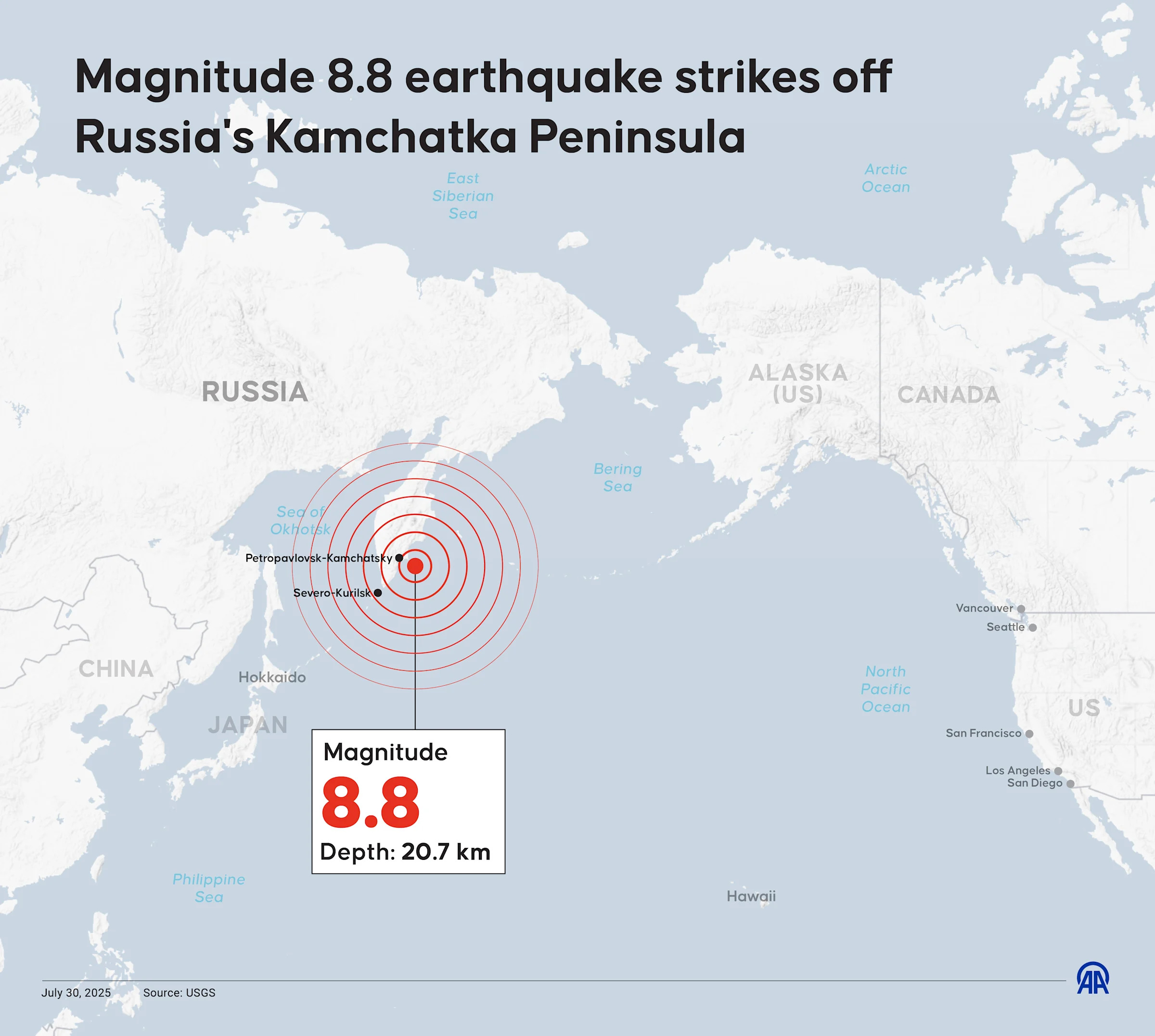
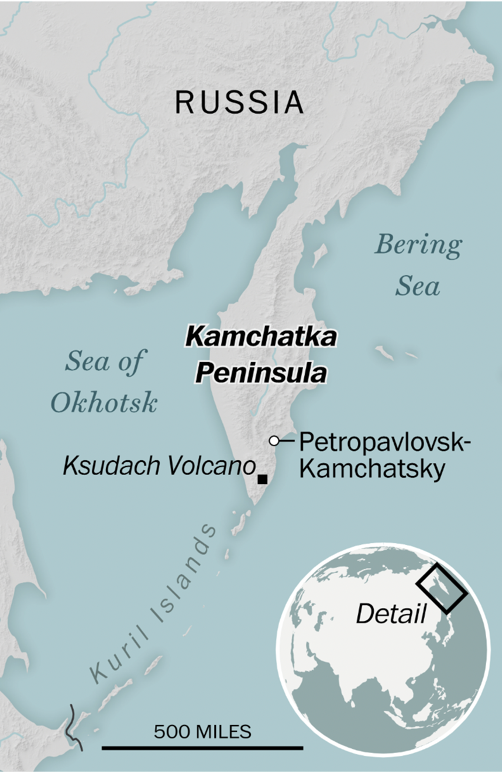
    The Shiveluch Volcano in Russia erupted following a 7.0 magnitude earthquake off the country’s eastern coast.

    About Shiveluch Volcano

    Details
    Location
    • Kamchatka Peninsula, Russia
    • Approximately 56°39′N 161°21′E
    • Stratovolcano (Composite Volcano)
    • Approximately 3,283 meters (10,771 feet)
    Geological Features Large actively growing lava dome, andesitic to dacitic lava
    Eruption History Frequent eruptions; significant activity in 2005, 2010, and ongoing in 2023-2024
    Hazards Ash plumes, pyroclastic flows, lahars
    Kamchatka Peninsula
    • Lies in far eastern Russia, between the Sea of Okhotsk on the west and the Pacific Ocean and Bering Sea on the east.
    • One of the world’s most concentrated areas of geothermal activity, with about 30 active volcanoes.
    • Approximately 1,200 km long and 480 km across at its widest.
    • Climate: Severe, with prolonged, cold, and snowy winters and wet, cool summers.
    • Regional Capital: Petropavlovsk-Kamchatsky.
    • Kuril Island chain runs from the southern tip of the peninsula to near Japan’s northern Hokkaido Island.
  • Foreign Policy Watch: India-Bangladesh

    St Martin’s Island

    Note4Students

    From UPSC perspective, the following things are important:

    Prelims level: St Martin’s Island

    Why in the News?

    The ousted Bangladeshi PM Sheikh Hasina claimed she could have stayed in power if she had given up St. Martin’s Island and parts of the Bay of Bengal to the United States.

    About St Martin’s Island

    • St. Martin’s Island is located in the northeastern region of the Bay of Bengal, near the maritime boundary between Bangladesh and Myanmar.
    • It lies about 9 kilometers south of the Cox’s Bazar-Teknaf peninsula in Bangladesh.
    • The island is approximately 7.3 km long and is mostly flat, with an elevation of about 3.6 meters above mean sea level.
    • It is Bangladesh’s only coral island and is surrounded by coral reefs that extend 10-15 km to the west-northwest of the island.
    • Historical Background:
      • The island was originally part of the Teknaf peninsula but gradually submerged into the sea around 5,000 years ago.
      • It resurfaced approximately 450 years ago.
      • Arab merchants were among the first settlers in the 18th century. They named it “Jazira” and later “Narikel Jinjira” (Coconut Island).
      • In 1900, British India annexed the island, and it became known as St. Martin’s Island, named after a Deputy Commissioner of Chittagong.

    Strategic importance:

    • Near the Strait of Malacca: Close to one of the world’s busiest maritime routes, making it strategically important for military oversight.It offers potential for monitoring maritime activities, including strategic interests of global powers.
    • Border with Myanmar: Proximity to Myanmar adds significance in regional security dynamics.

    Other significance for Bangladesh:

    • It is part of Bangladesh’s EEZ, rich in marine resources like fish, oil, and gas. Also a key tourist destination.
    • It is important for biodiversity, with coral reefs and diverse marine life.

    PYQ:

    [2023] Consider the following pairs:

    Area of conflict mentioned in news: Country where it is located

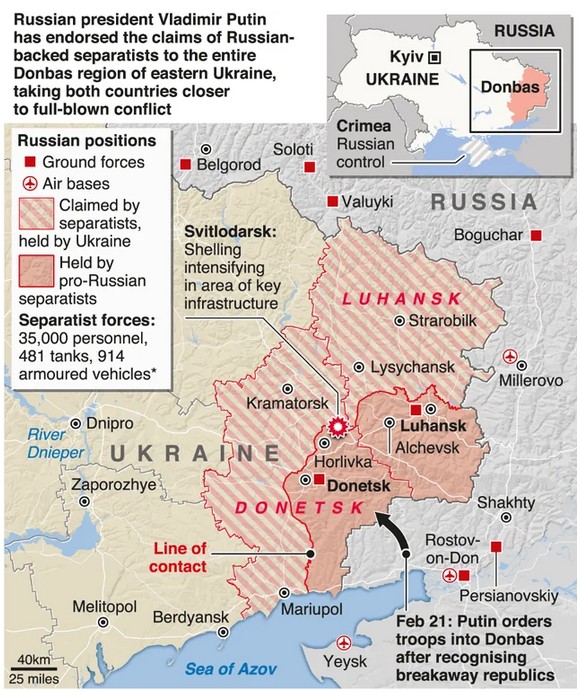
    1.Donbas: Syria

    2.Kachin: Ethiopia

    3.Tigray: North Yemen

    How many of the above pairs are correctly matched?

    (a) Only one

    (b) Only two

    (c) All three

    (d) None

  • OBOR Initiative

    Niger struggles with Security, Economic Crises

    Note4Students

    From UPSC perspective, the following things are important:

    Prelims level: Niger, Niger Benin Export Pipeline

    Why in the News?

    • The China-backed Niger-Benin Export Pipeline that would make Niger an oil-exporting country is being threatened by an internal security crisis and a diplomatic dispute with neighboring Benin.
      • These issues arose after last year’s coup that toppled Niger’s democratic government.

    About Niger

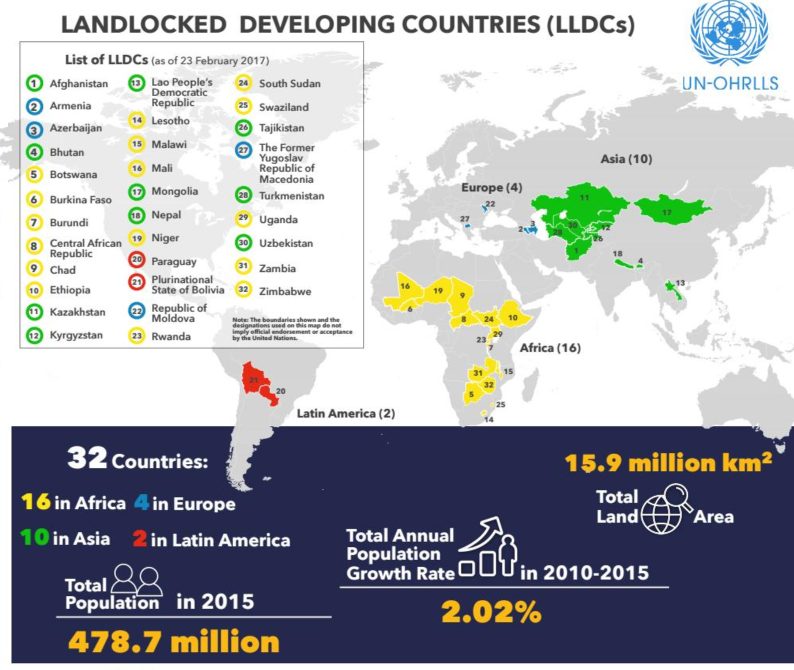
    • Niger, located in West Africa, is a landlocked country known for its vast desert landscapes and significant cultural heritage.
    • The northern region of Niger is dominated by the Sahara Desert, comprising more than half of the country.
    • The central part of Niger is characterized by the Sahel, a semi-arid transition zone between the Sahara
    • The Aïr Mountains, located in the northern central part are a significant mountain range with the highest peak, Mont Idoukal-n-Taghès (2,022 m).
    • The Niger River is the country’s primary water source.
    • Lake Chad is a significant body of water shared with Nigeria, Chad, and Cameroon. Its size keep on fluctuating.

    About Niger Benin Export Pipeline

    • The 1,930-kilometer pipeline runs from Niger’s Chinese-built Agadem oil field to the port of Cotonou in Benin.
    • It was designed to help Niger achieve an almost 5x increase in oil production through a $400 million deal with China’s state-run national petroleum company.
    • The pipeline faces significant challenges, including a recent diplomatic disagreement with Benin.
    • These issues threaten to strain Niger’s economy, heavily reliant on external support now withheld after a coup.


    PYQ:

    [2018] Which of the following has/have shrunk immensely/dried up in the recent past due to human activities?

    1. Aral Sea
    2. Black Sea
    3. Lake Baikal

    Select the correct answer using the code given below:

    (a) 1 only

    (b) 2 and 3

    (c) 2 only

    (d) 1 and 3

  • Foreign Policy Watch: India-Africa

    Places in News: Niger, Ivory Coast and Pacific Island States

    Note4Students

    From UPSC perspective, the following things are important:

    Prelims level: Mapping of these locations.

    Why in the News?

    Details

    Niger

    • Turkish delegation visited to strengthen military cooperation with the junta, shifting alliances to Turkey and Russia.
    Geography: Landlocked in West Africa, bordered by Algeria, Libya, Chad, Nigeria, Benin, Burkina Faso, and Mali. Population ~26.3 million; capital Niamey.

    Key Points:

    • Gained independence from France in 1960.
    • Political instability with coups and a military junta in 2023.
    • It faces significant challenges including desertification, water scarcity, and economic development issues.
    • It is one of the world’s poorest nations despite having large uranium reserves.

    Ivory Coast

    • Recent discoveries have revealed substantial oil reserves estimated at six billion barrels, potentially making Ivory Coast a net oil exporter by the end of the decade.
    • The Baleine field, operated by Eni, aims to reach significant production levels by 2026.
    Geography: Located on the southern coast of West Africa; bordered by Liberia, Guinea, Mali, Burkina Faso, Ghana, and the Gulf of Guinea. Population ~30.9 million; capital Yamoussoukro.

    Key Points:

    • Gained independence from France in 1960.
    • Experienced political instability, now relatively stable since 2016.
    • Fast-growing economy dependent on cocoa, coffee, and expanding into gold mining and oil refining.
    • Abidjan is a major hub for West African economic activities.

    Pacific Island States

    • Participated in a summit with Japan expressing concerns over military build-ups and the need for regional peace and security.
    • Geography: Vast region in the Pacific Ocean, categorized into Melanesia, Micronesia, and Polynesia; diverse climates and ecosystems.
    • They face challenges such as climate change impacts, biodiversity loss, and varying levels of development.
    • Economic activities include tourism, agriculture (especially coconut and palm oil), and fishing.
    • These islands play a crucial role in global biodiversity and climate resilience efforts.


    PYQ: 

    [2022] Consider the following pairs:

    Region often mentioned in the news: Country

    1. Anatolia: Turkey
    2. Amhara: Ethiopia
    3. Cabo Delgado: Spain
    4. Catalonia: Italy

    How many pairs given above are correctly matched?

    (a) Only one pair

    (b) Only two pairs

    (c) Only three pairs

    (d) All four pairs

    [2018] Consider the following pairs:

    Towns sometimes mentioned in news: Country

    1. Aleppo: Syria

    2. Kirkuk: Yemen

    3. Mosul: Palestine

    4. Mazar-i-Sharif:  Afghanistan

    Which of the pairs given above are correctly matched?

    (a) 1 and 2

    (b) 1 and 4

    (c) 2 and3

    (d) 3 and 4

  • Innovations in Biotechnology and Medical Sciences

    Motor Neuron Disease (MND)

    Note4Students

    From UPSC perspective, the following things are important:

    Prelims level: MND and its causes; NIMHANS.

    Why in the News?

    The annual conference on Motor Neuron Disease (MND) ‘Awareness, Care and Management’ was held at NIMHANS.

    What is Motor Neuron Disease (MND)?

    • MND is a condition that affects the nerves in the brain and spinal cord, which are responsible for controlling your muscles.
    • Over time, these nerves (called motor neurons) stop working properly, leading to muscle weakness and wasting away.

    Types of MND:

    1. Amyotrophic Lateral Sclerosis (ALS): The most common type. It affects both upper and lower motor neurons, leading to weakness in various body parts.
    2. Progressive Bulbar Palsy (PBP): Affects the nerves in the brainstem, leading to problems with speaking and swallowing.
    3. Progressive Muscular Atrophy (PMA): Affects only the lower motor neurons, causing muscle weakness and wasting.
    4. Primary Lateral Sclerosis (PLS): Affects only the upper motor neurons, causing stiffness and movement difficulties.

    Causes of MND:

    • Genetic Factors: In some families, MND can be inherited due to specific gene mutations.
    • Environmental Factors: Exposure to certain toxins, viruses, or physical injuries might contribute, but this is less clear.
    • Age and Gender: It usually affects people between the ages of 50 and 70 and is slightly more common in men.

    Symptoms:

    • Muscle Weakness: Starts in one part of the body, like an arm or leg, and gradually spreads.
    • Muscle Cramps and Twitching: Small, involuntary muscle movements.
    • Difficulty Speaking and Swallowing: Due to weakness in the muscles used for these functions.
    • Breathing Problems: In advanced stages, muscles that control breathing can be affected.
    • Emotional Changes: Some people might experience changes in behavior or thinking.

    Diagnosis:

    • Clinical Examination: A doctor examines your symptoms and medical history.
    • Electromyography (EMG): Tests the electrical activity of your muscles.
    • Nerve Conduction Studies (NCS): Checks how well your nerves send signals.
    • MRI: Scans to rule out other conditions.
    • Genetic Testing: To check for inherited forms of MND.

    Treatment:

    There is no cure for MND, but treatments can help manage symptoms and improve quality of life.

    1. Medications:
      • Riluzole: Can slow down the progression of ALS.
      • Edaravone: Another drug that may slow down the decline in daily activities.
      • Symptomatic Treatments: For muscle cramps, excess saliva, and emotional symptoms.
    2. Therapies:
      • Physical Therapy: Helps maintain muscle strength and mobility.
      • Occupational Therapy: Aids in performing daily activities.
      • Speech Therapy: Assists with speech and swallowing difficulties.
      • Respiratory Therapy: Supports breathing issues.

    Back2Basics: National Institute of Mental Health and Neuro-Sciences (NIMHANS)

    Details
    Location Bangalore, India
    Affiliation Autonomous institute under the Ministry of Health and Family Welfare, Government of India
    Ranking Ranked 4th best medical institute in India by the National Institutional Ranking Framework (NIRF)”
    History
    • Founded in 1847 as the Bangalore Lunatic Asylum.
    • Renamed as the Mental Hospital in 1925.
    • Amalgamated with the All India Institute of Mental Health (AIIMH) in 1974 to form NIMHANS.
    • Conferred with deemed university status by the University Grants Commission in 1994.
    • Declared an Institute of National Importance by an act of parliament in 2012.
    Governance
    • Operates with academic autonomy under the “Societies Registration Act, 1860”.
    • Prioritises service, manpower development, and research in mental health and neurosciences.
    • A multidisciplinary integrated approach was adopted for translating research results into practice.
    Funding Receives resources for academic and research activities from national and international funding organisations.
    Outreach
    • Engages in mental health outreach initiatives including critiquing mental health reports and collaborating with government agencies for training and counseling.
    • Known for diagnosing and treating various mental health conditions including depression and neurobiological disorders.
  • Global Geological And Climatic Events

    ‘Cold Lava’ Rivers flow in Philippines after Mount Canlaon eruption

    Note4Students

    From UPSC perspective, the following things are important:

    Prelims level: Mount Canlaon, Cold Lava Mudflows

    Why in the News?

    • After Mount Canlaon erupted in the Philippines, cold lava started flowing through streets and rivers.
      • It was followed by ashfall, and dangers like floods and mudflows downstream.

    What is Cold Lava?

    • Cold lava, also known as “lahar,” is a mixture of water and rock fragments that flows rapidly down the slopes of a volcano, often triggered by heavy rainfall or volcanic eruptions.
    • The mixture forms a concrete-like substance that destroys everything in its path.
    • This can also include smooth, glassy textures or rough and jagged textures.

    Another example of cold Lava in the world

    • Mount Merapi, Indonesia (2023): An eruption of Mount Merapi resulted in the deaths of at least 23 climbers and spewed ash up to 3,000 meters into the air, covering towns and villages

    How harmful is Cold Lava?

    • Rain can carry cold lava down the slopes of a volcano during an eruption and into the path of nearby towns or villages.
    • According to the United States Geological Survey, cold lava has the power to crush and bury things in its path.
    • It also moves quickly like wet concrete and is considered more destructive than hot lava.

    About Mount Canlaon

    • Mount Canlaon, located in the Philippines, is an active stratovolcano known for its frequent eruptions and volcanic activity.
    • It is situated on the island of Negros in the Visayas region of the Philippines.
    • It is part of the Pacific Ring of Fire, known for its high volcanic activity.
    • It poses hazards such as ash fall, lava flows, pyroclastic flows, and lahars (mudflows) that can endanger nearby communities and agriculture.


    PYQ:

    [2021] Discuss about the vulnerability of India to earthquake-related hazards. Give examples including the salient features of major disasters caused by earthquakes in different parts of India during the last three decades.